Billgang
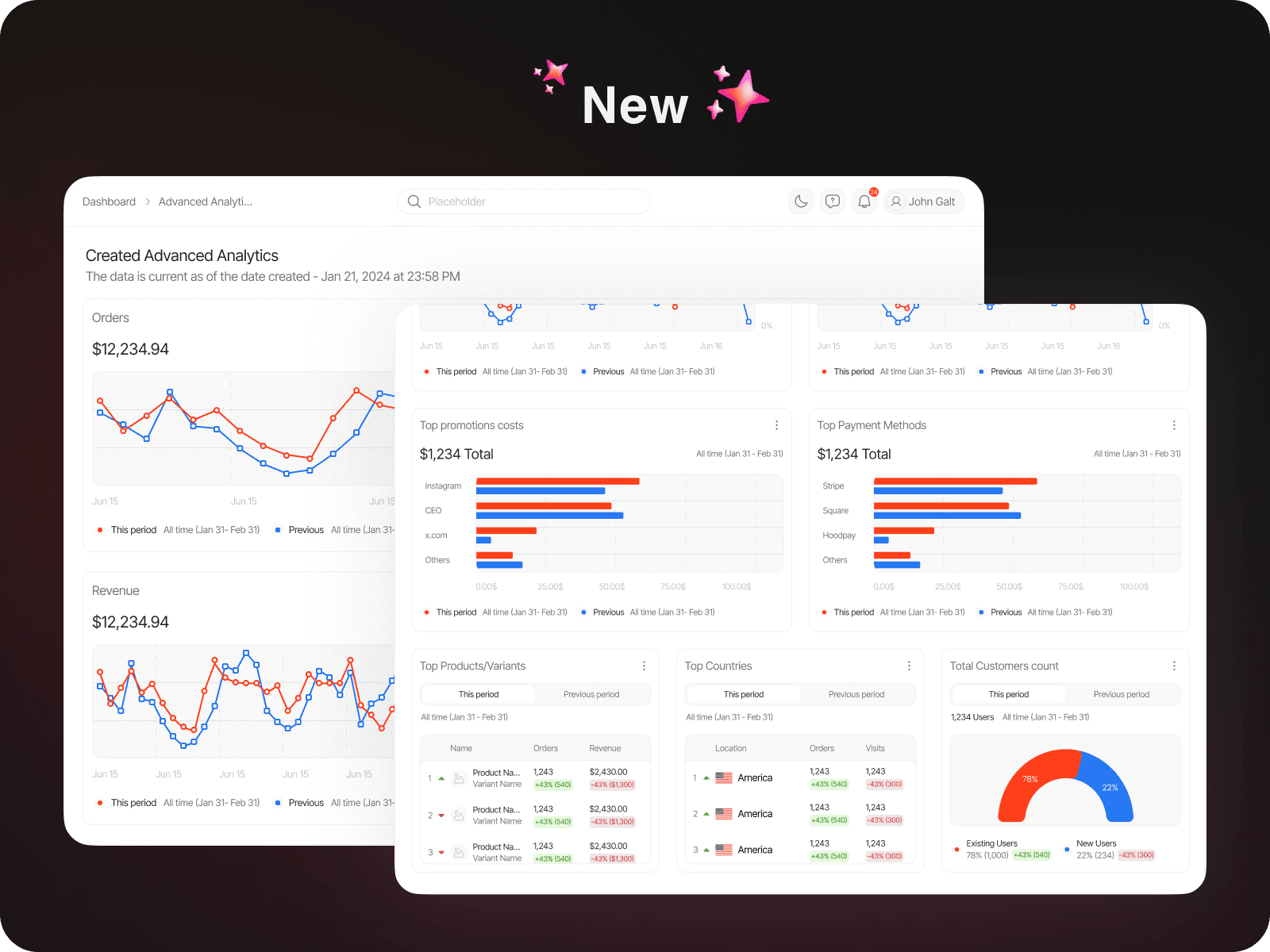
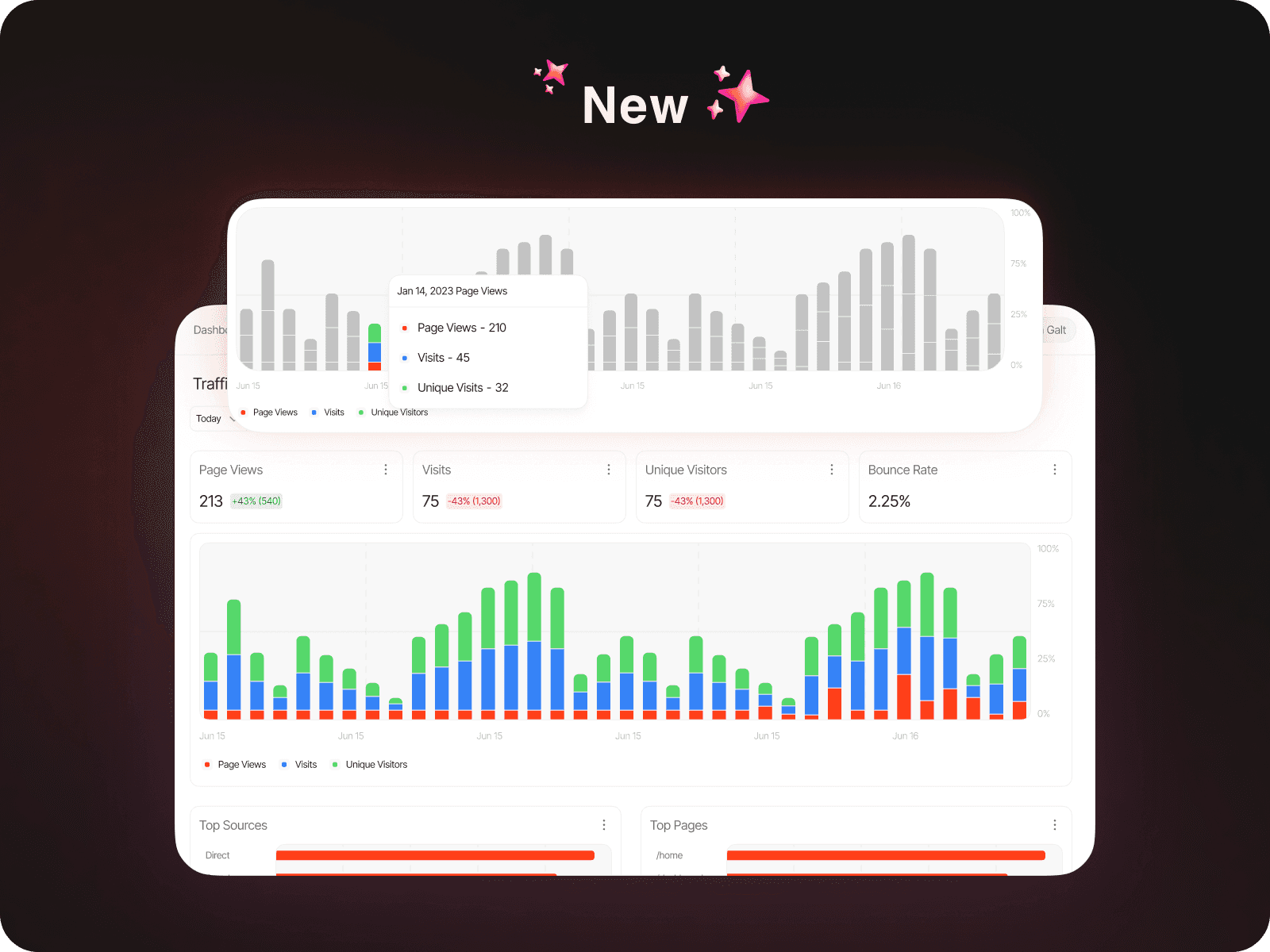
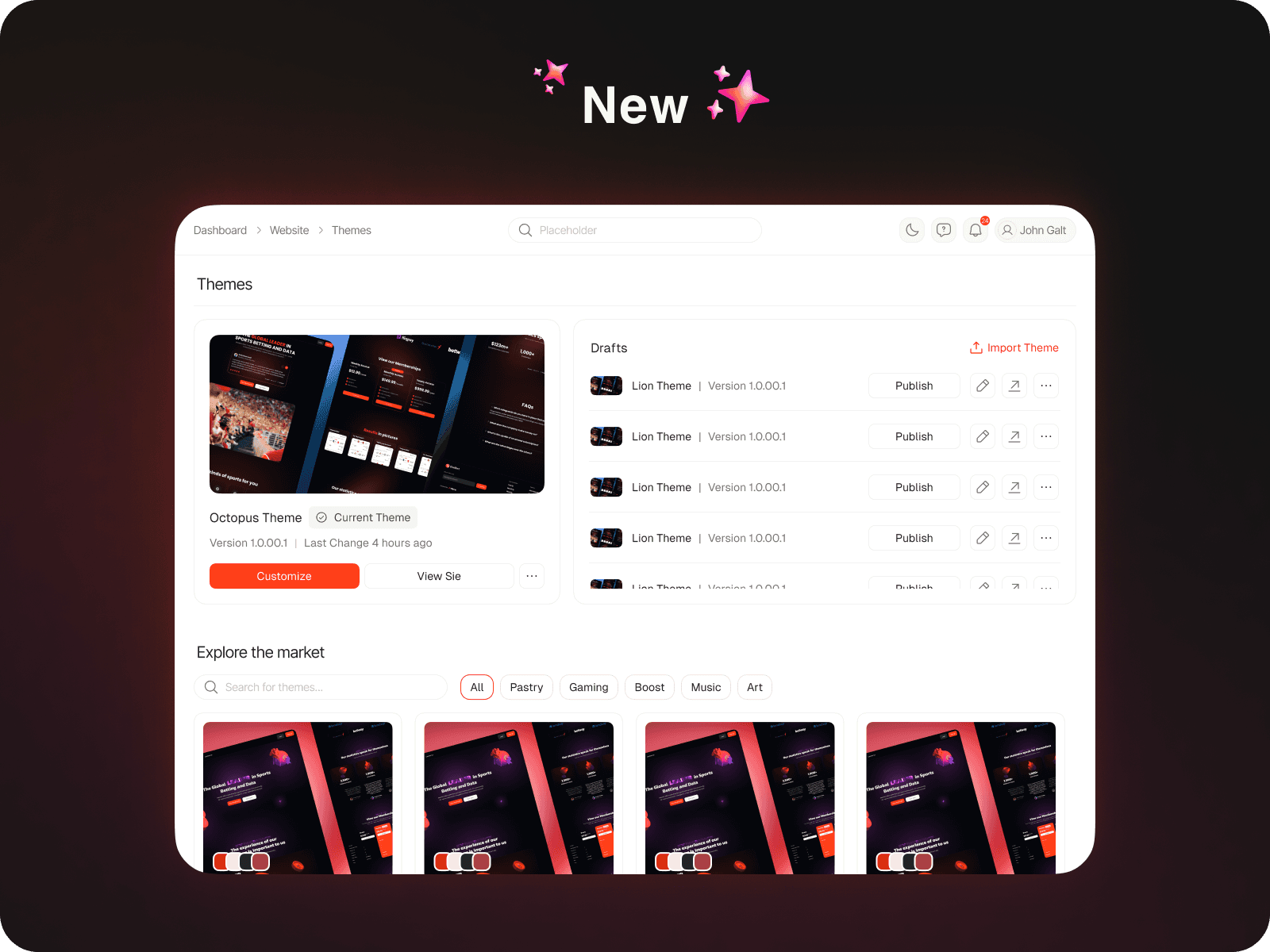
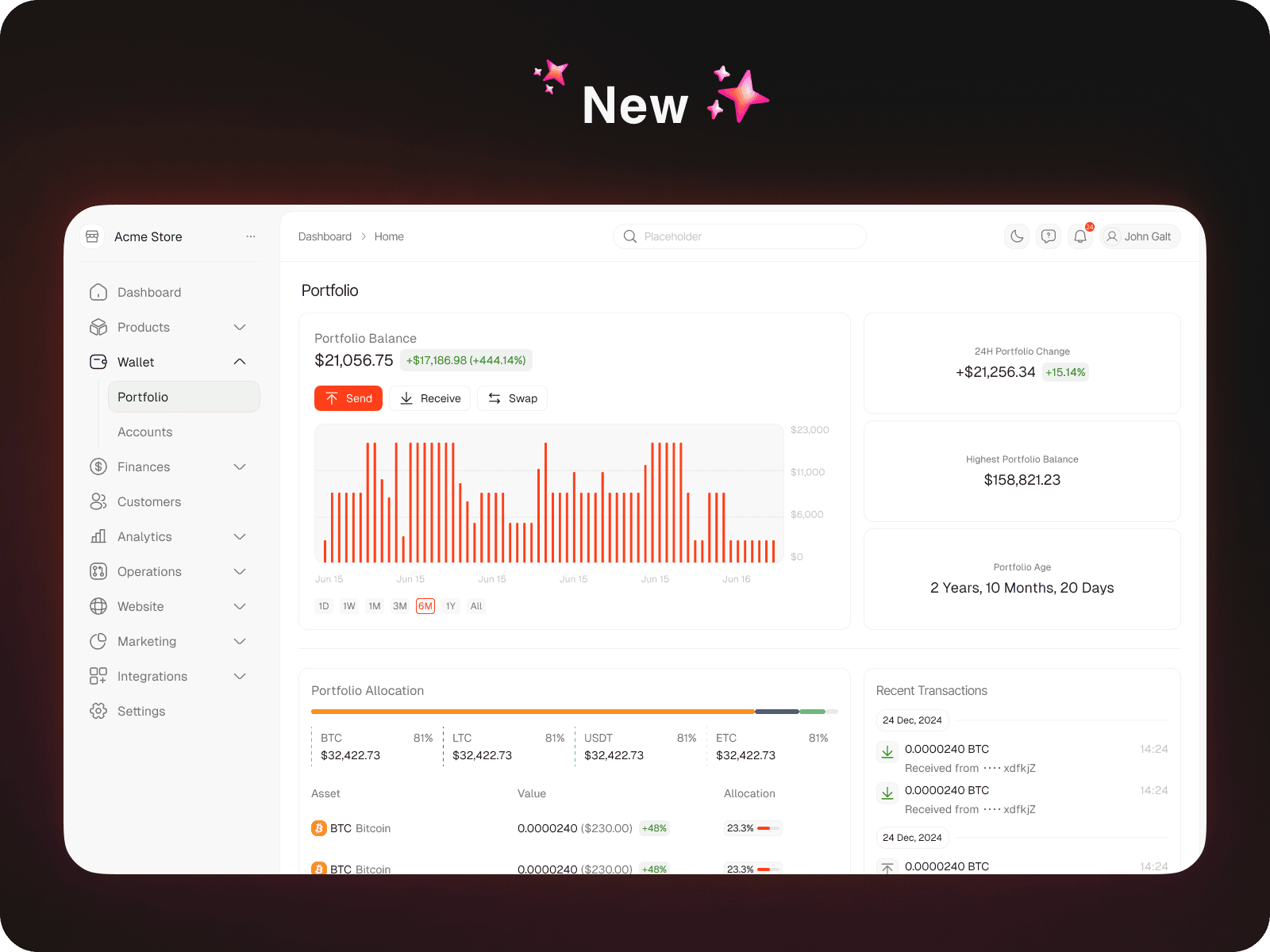
Billgang is a marketplace platform that allows businesses to quickly launch their own online store and automate key processes. The main users are companies selling digital products: e-books, courses, games and exclusive offers. The product is successfully used worldwide, - 7500+ businesses, 2 million customers, over 500,000 products posted.
Role
Senior Product Designer
Year
2023 — 2024
Kickoff
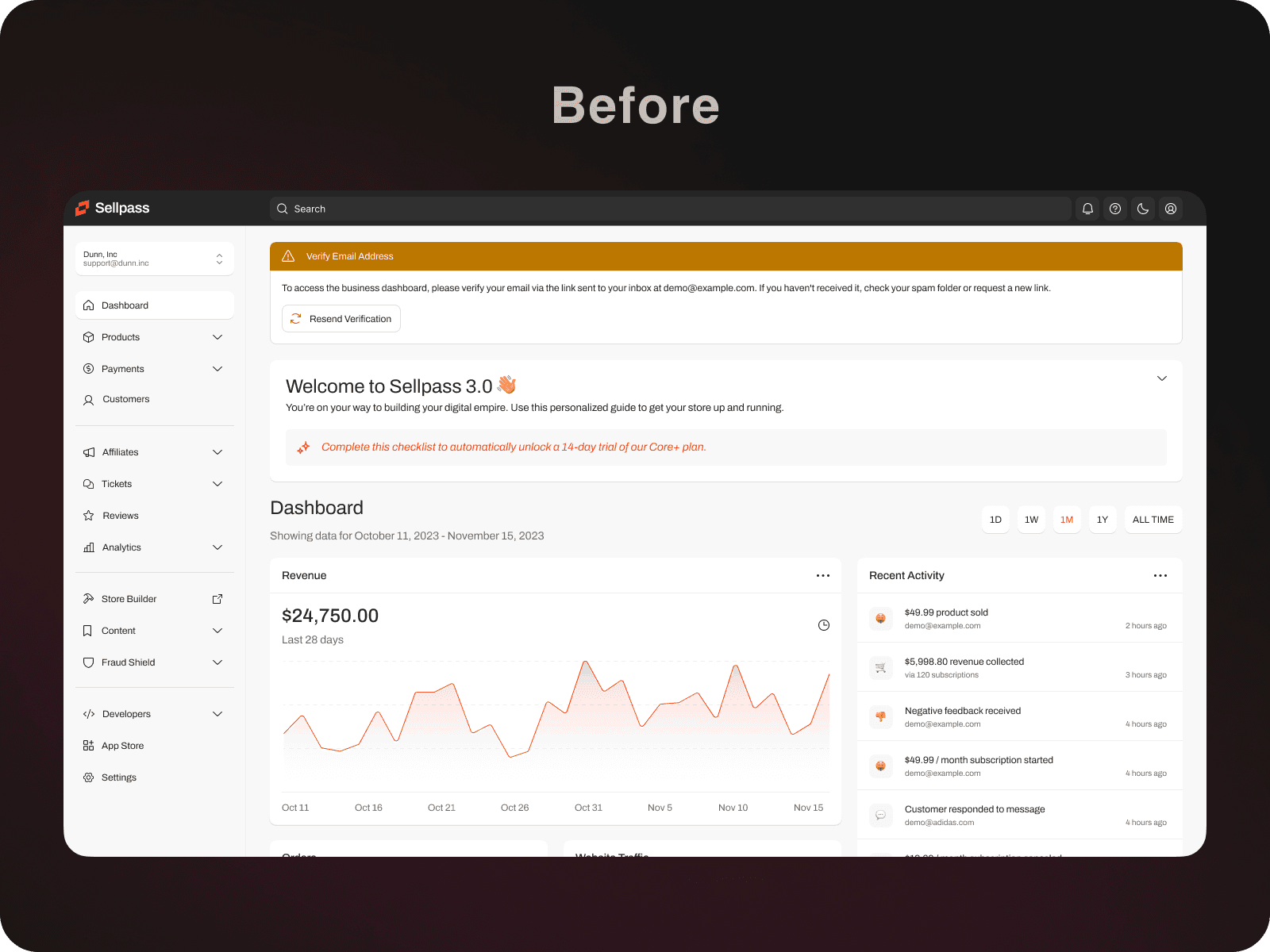
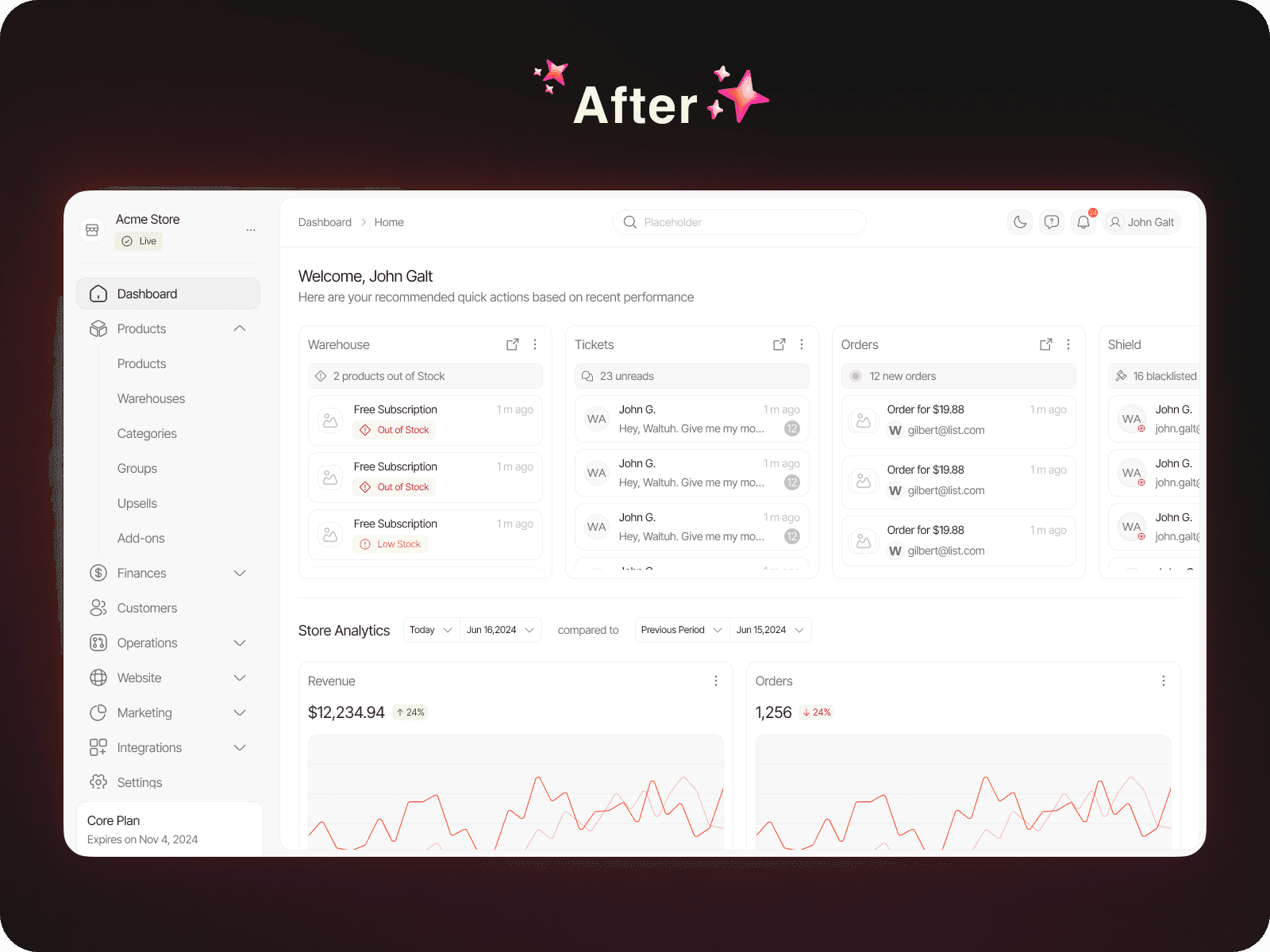
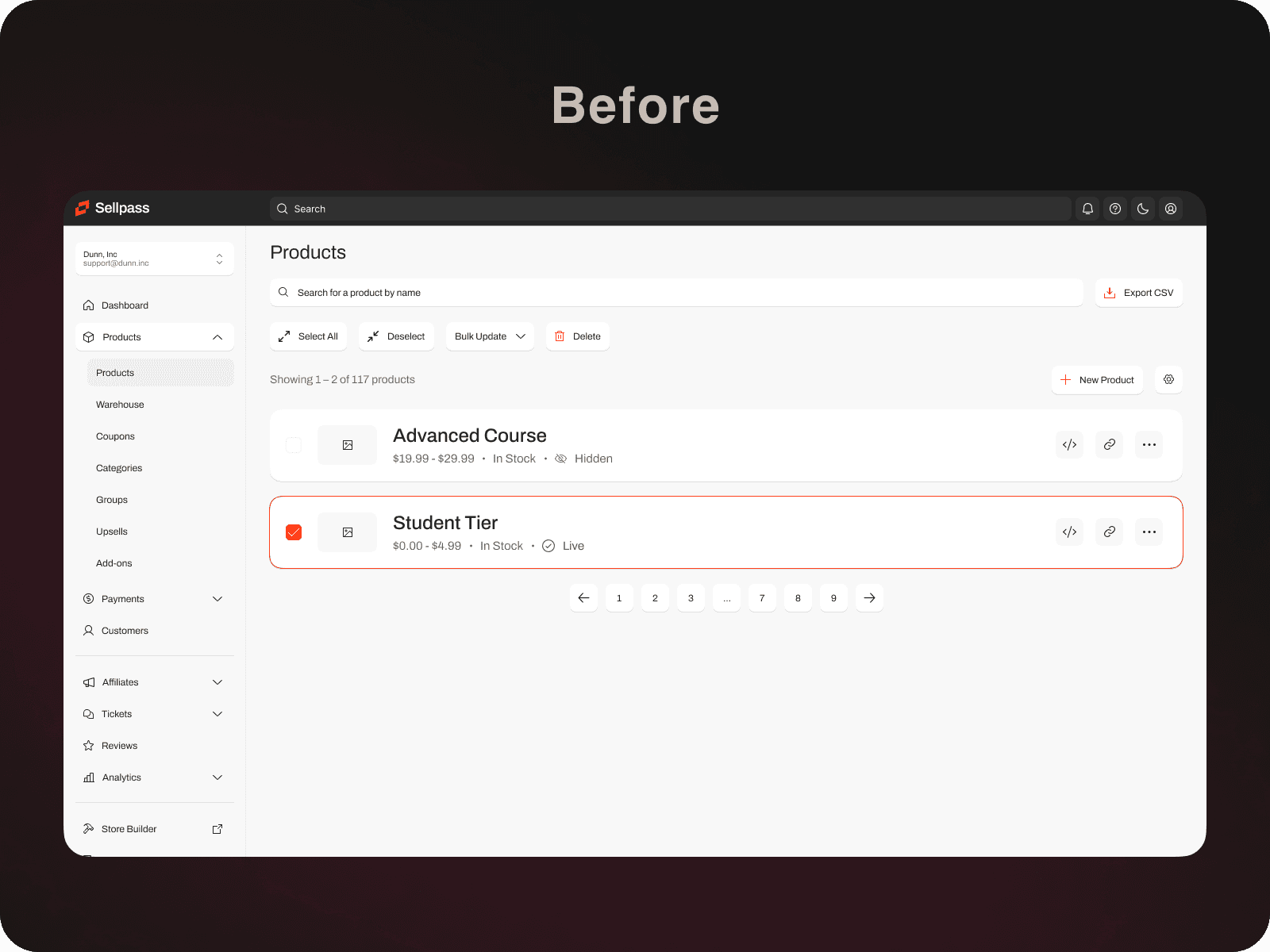
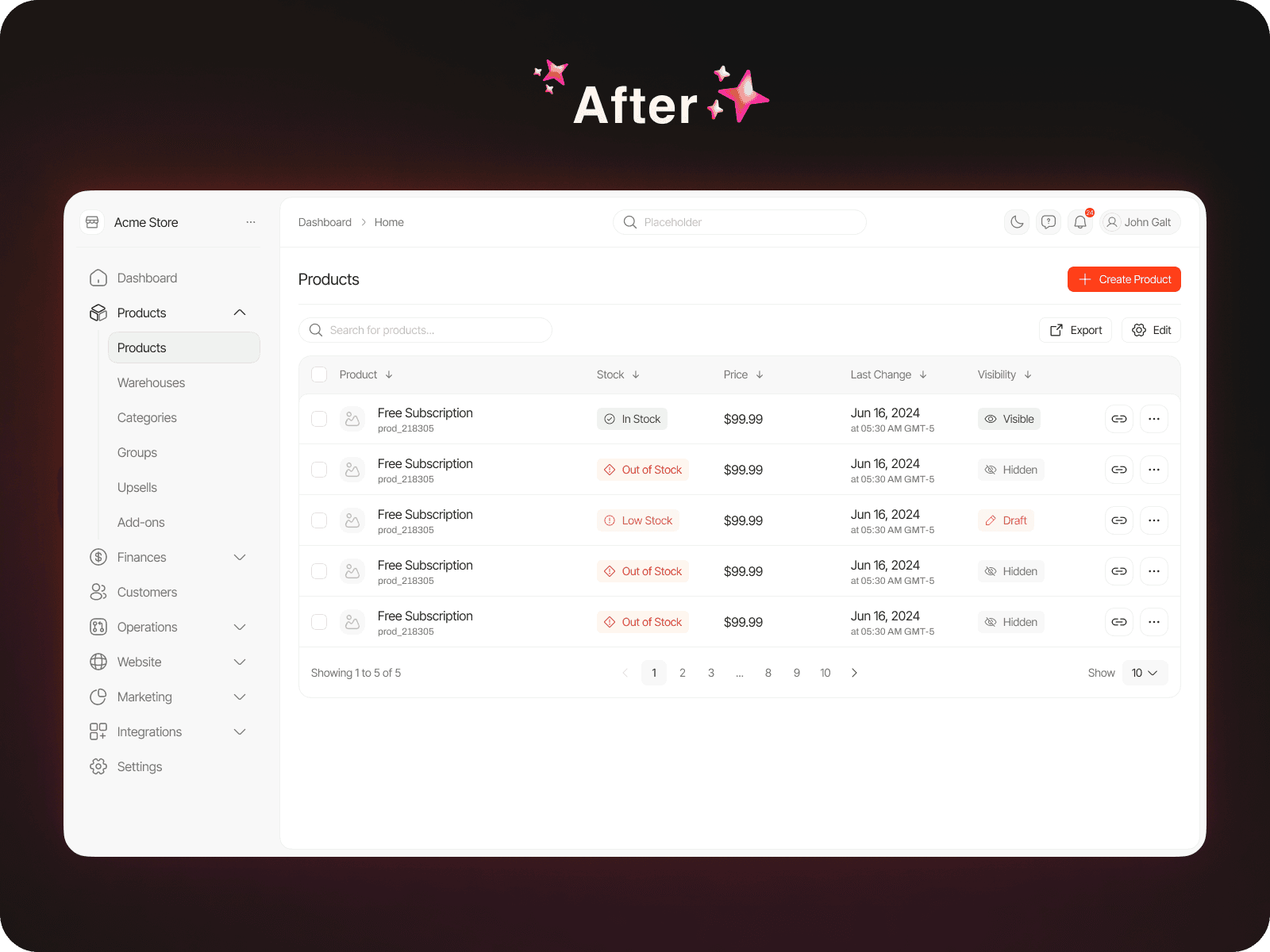
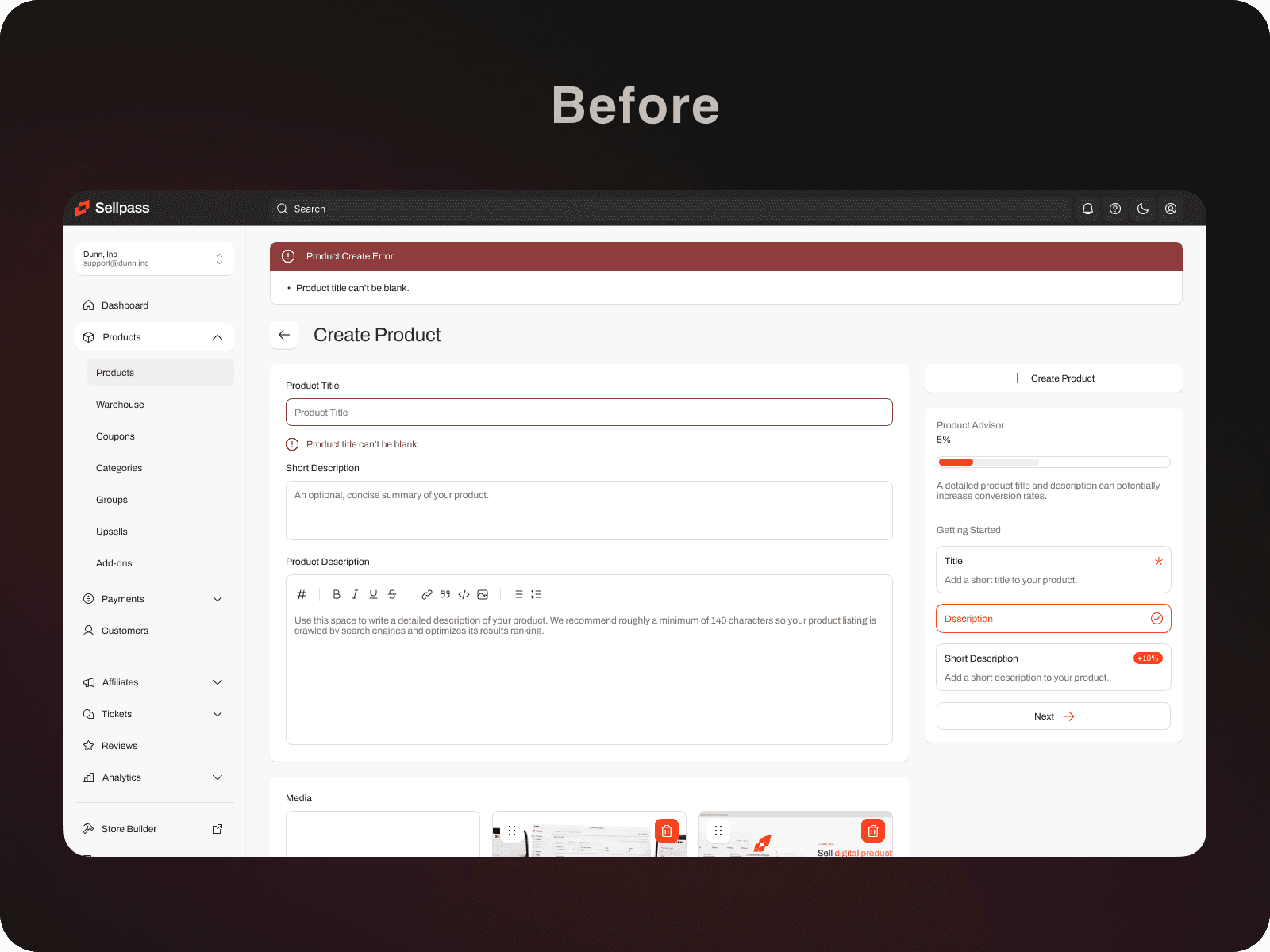
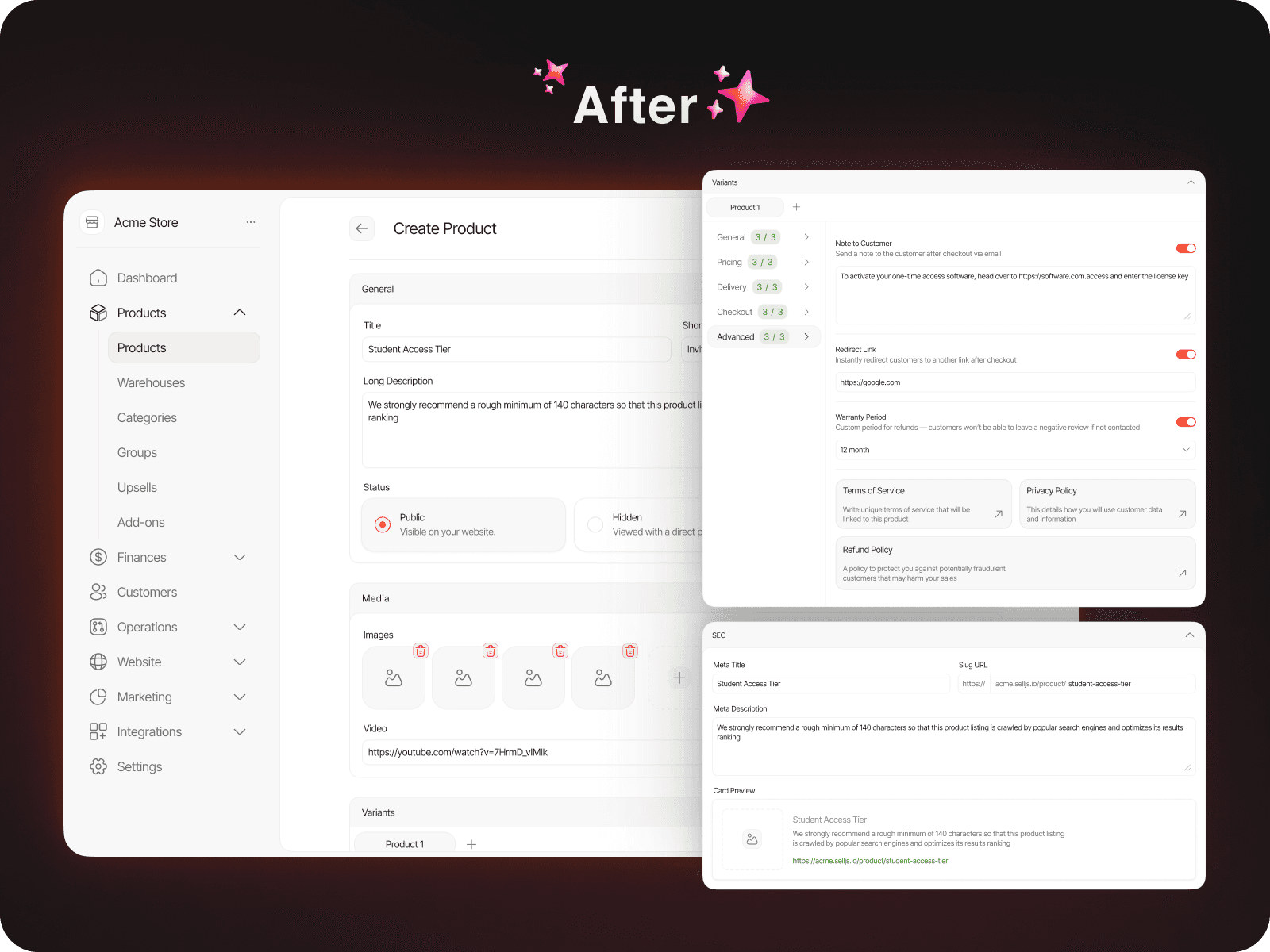
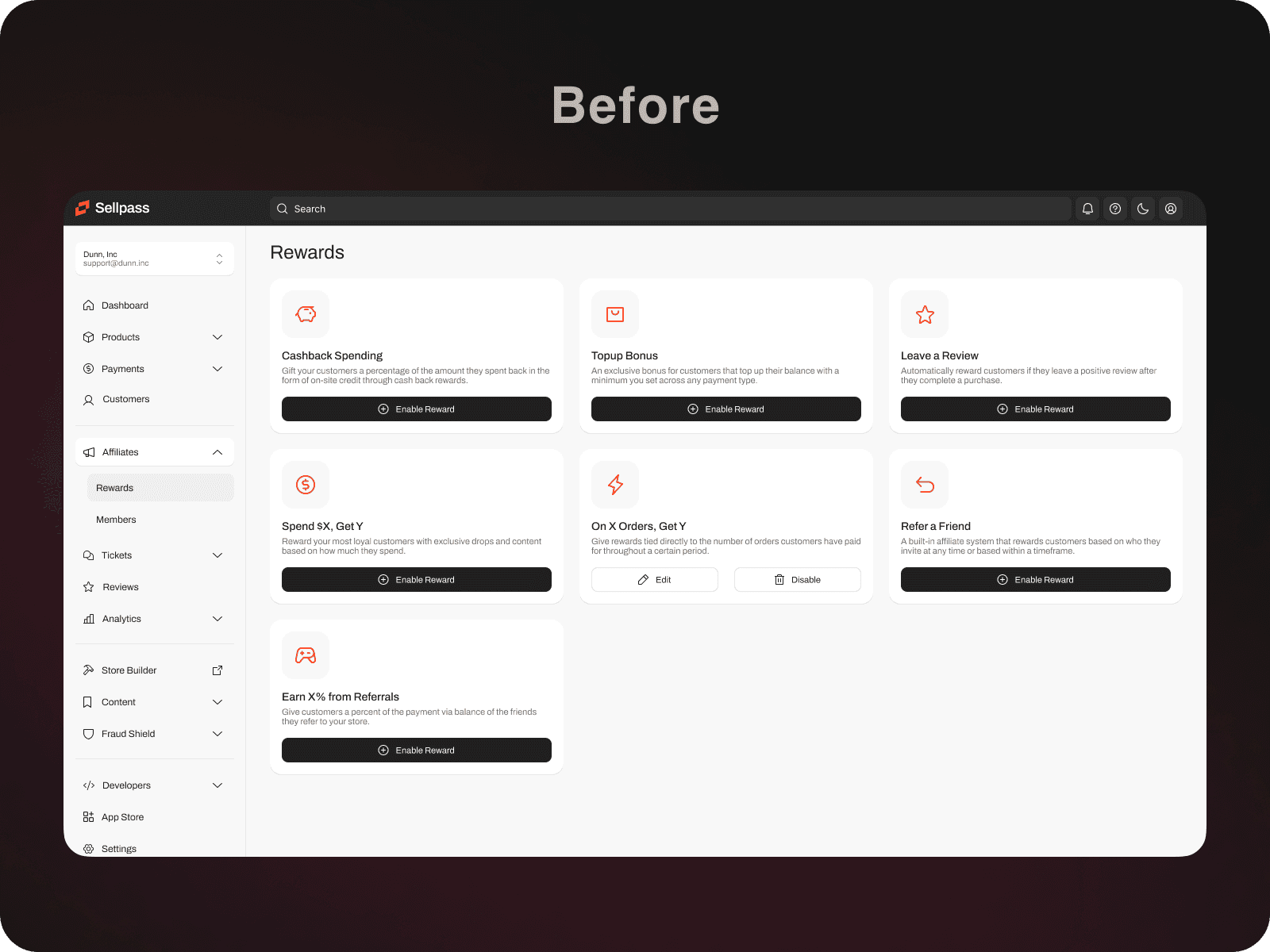
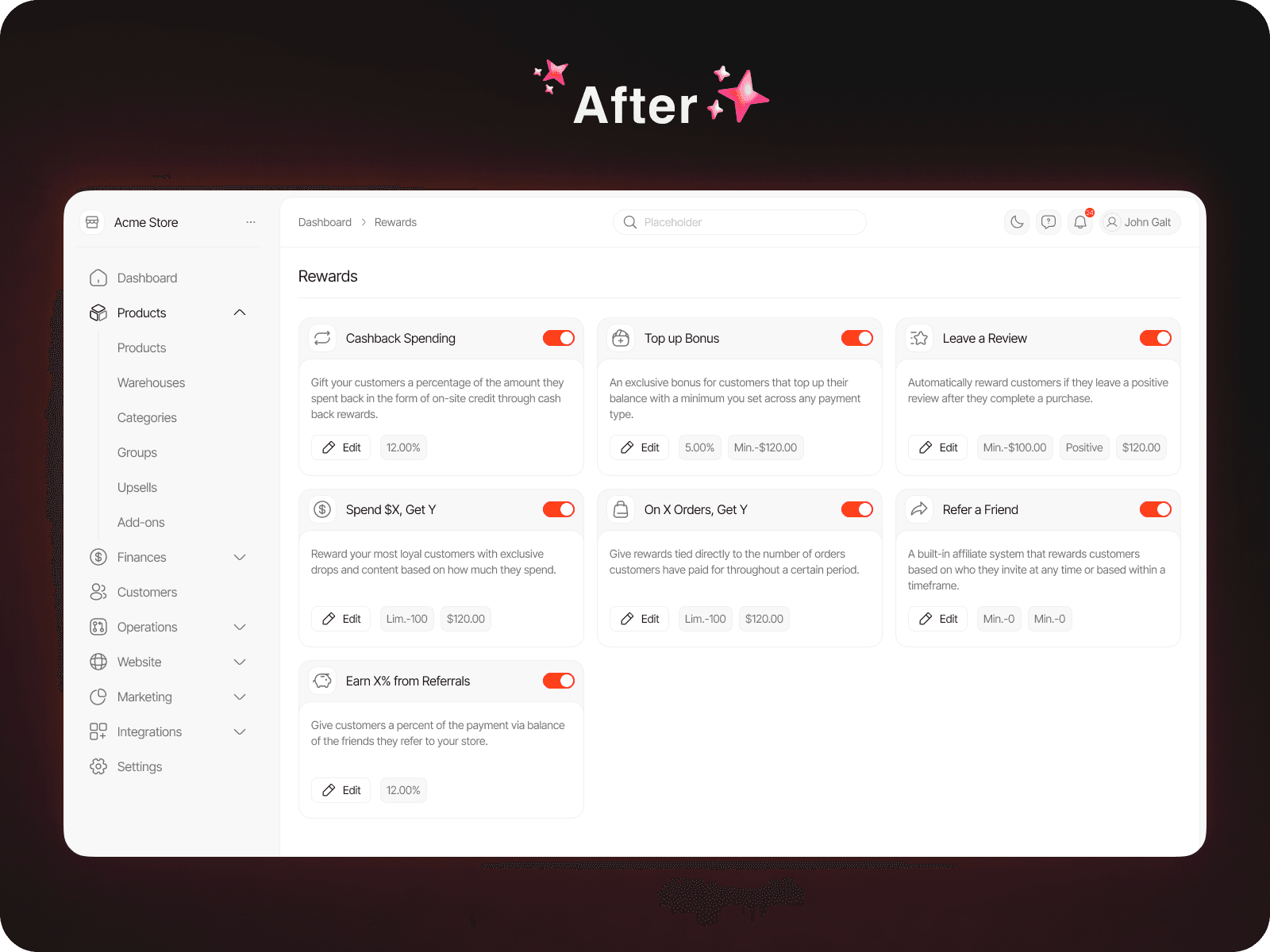
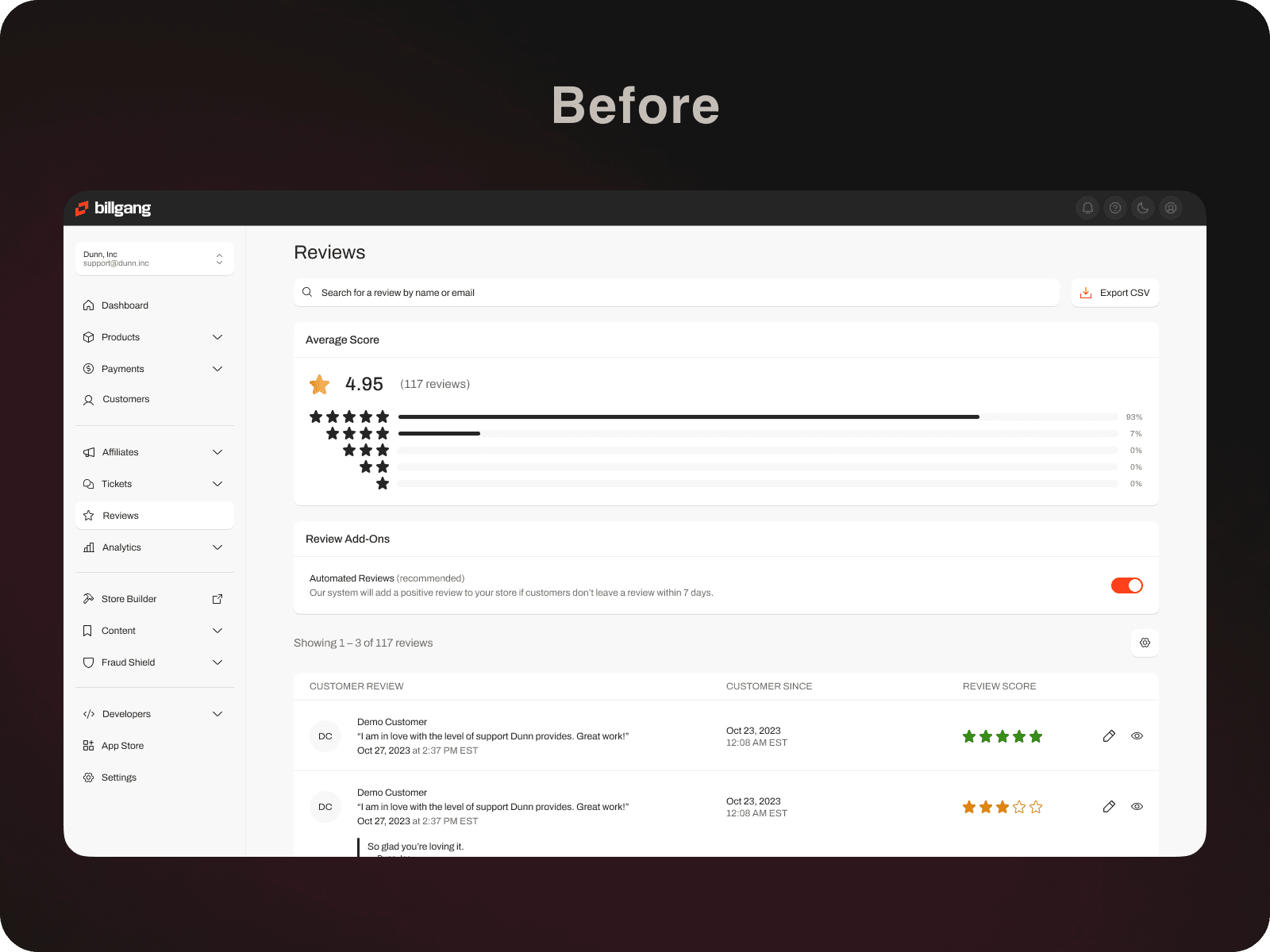
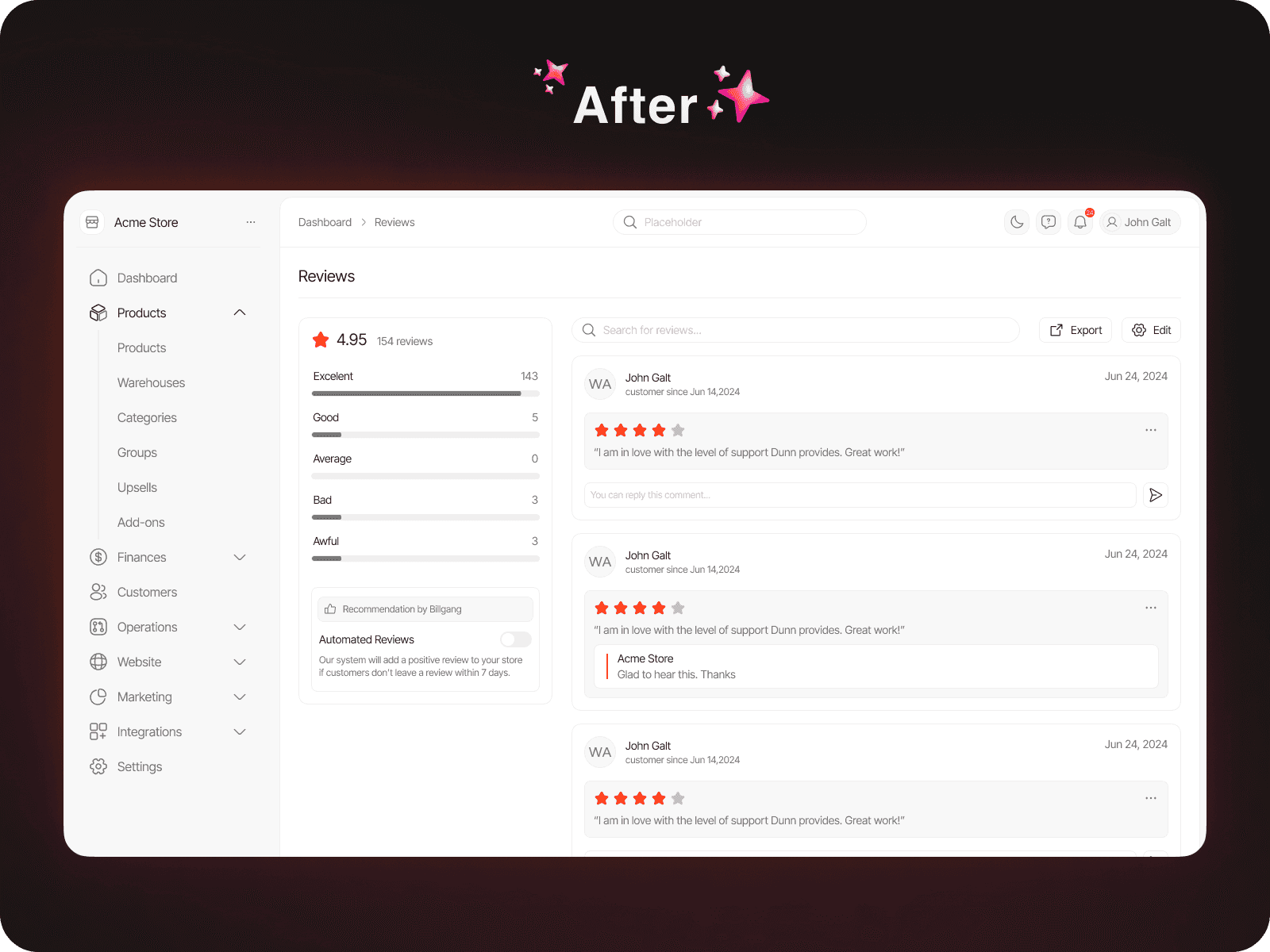
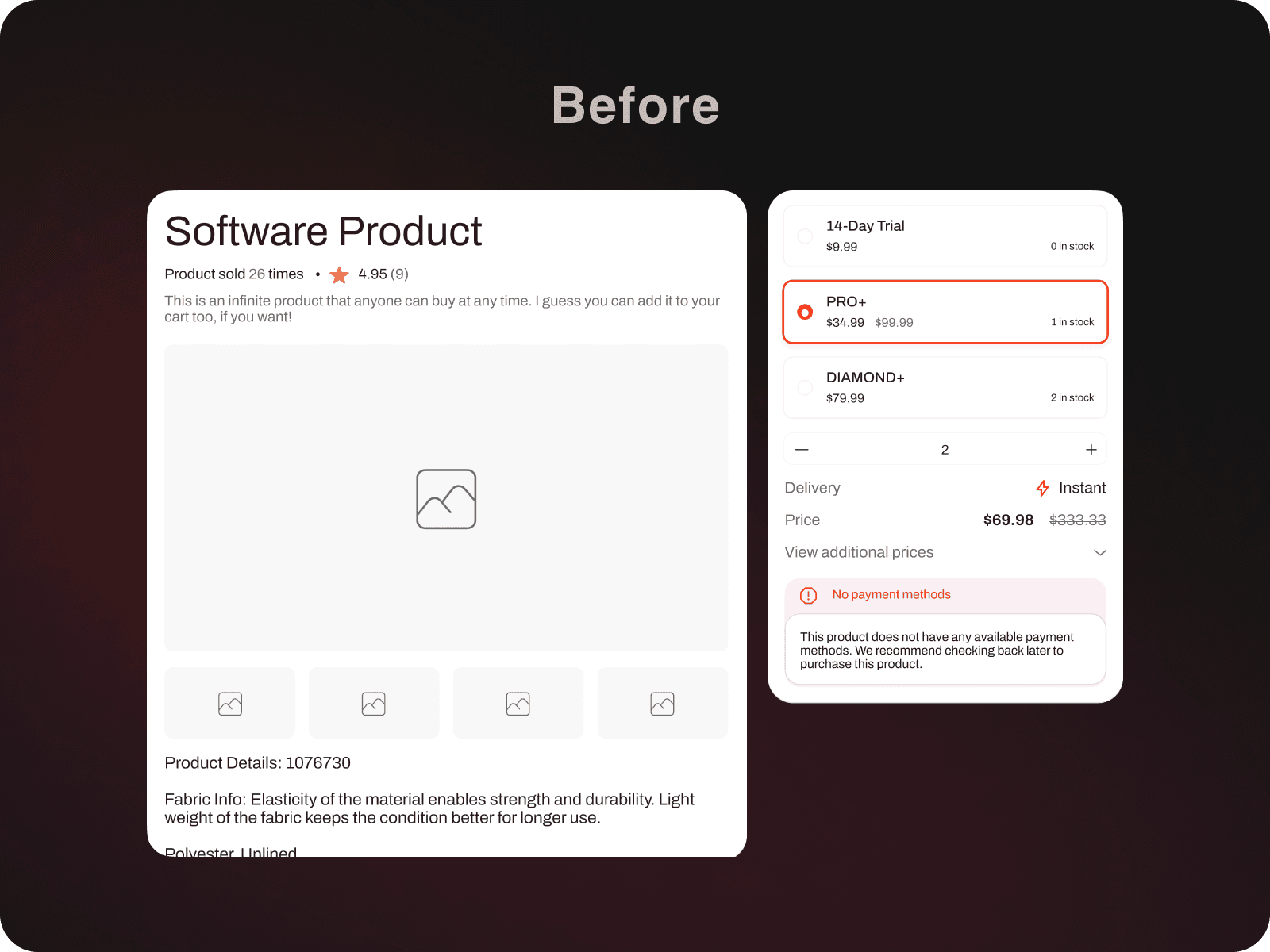
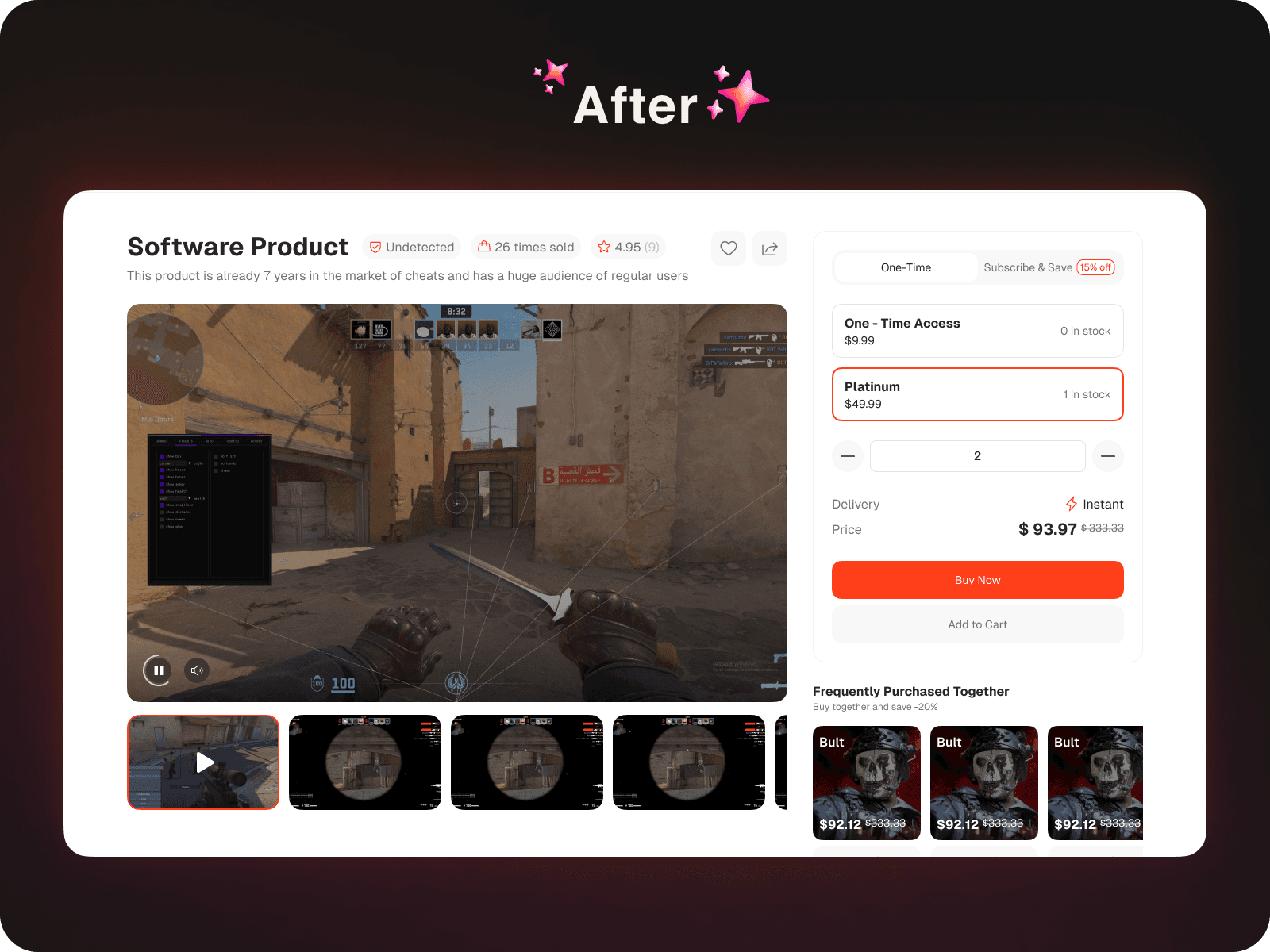
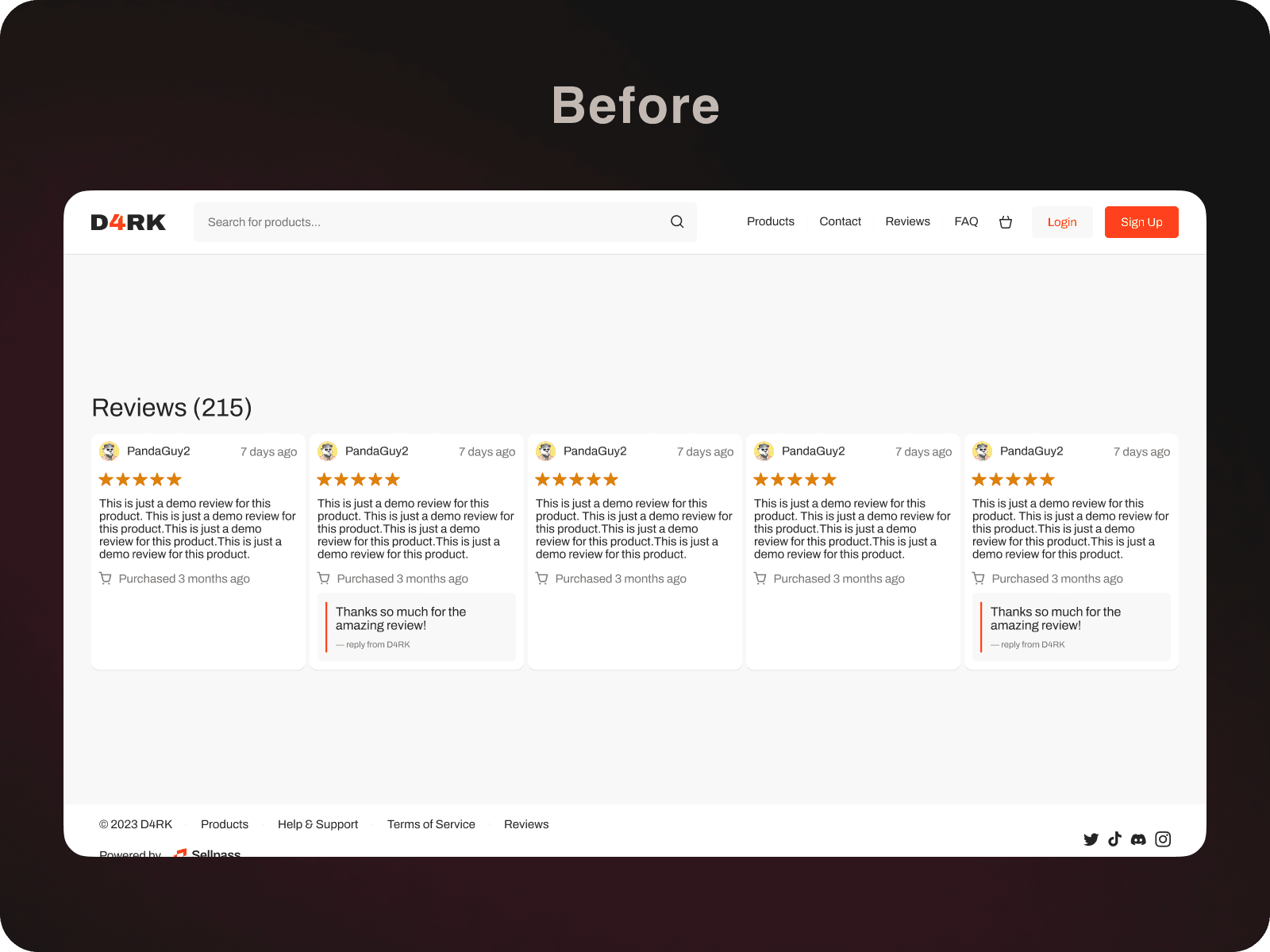
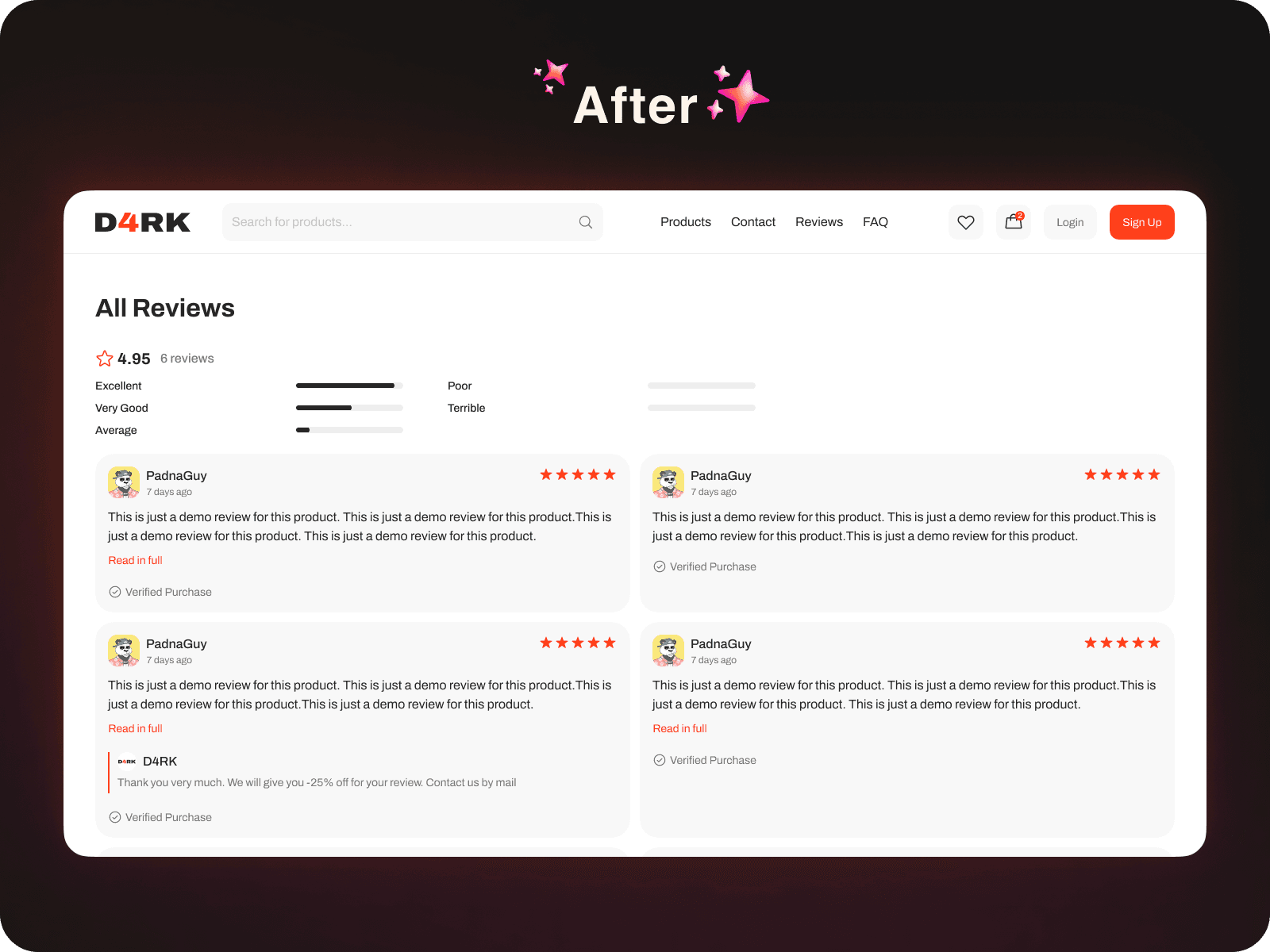
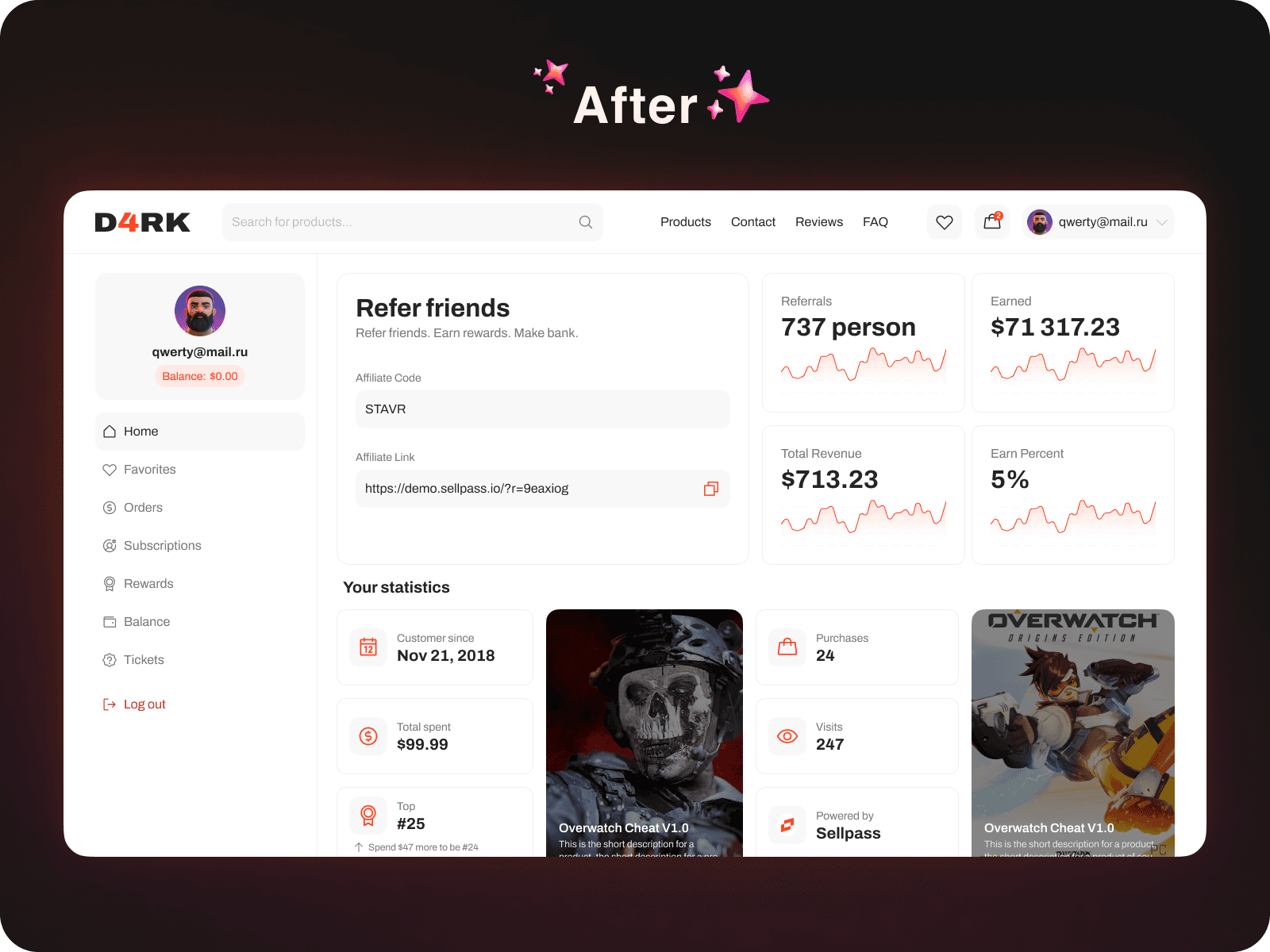
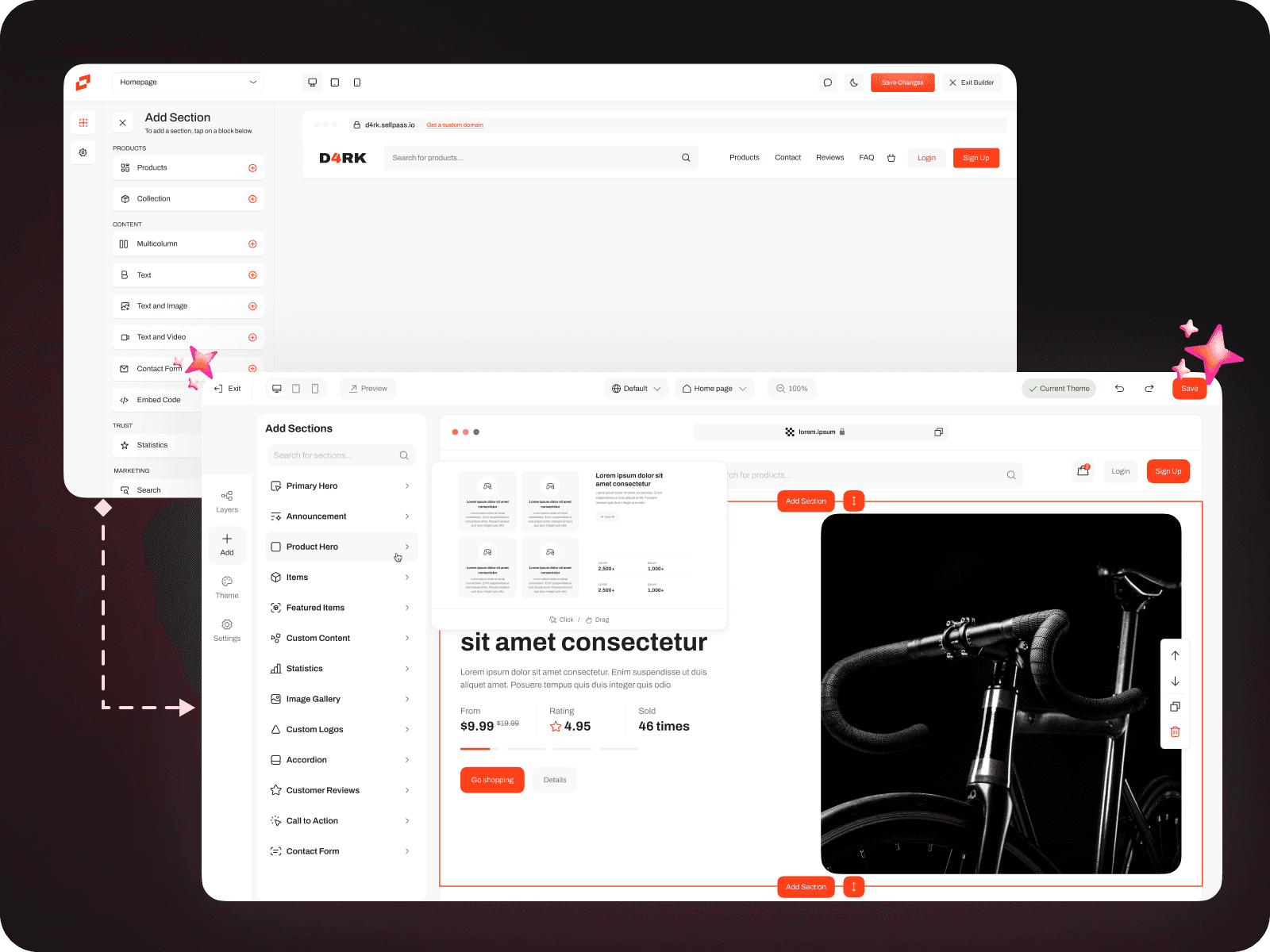
In 2021, the Sellpass product was launched, which allowed small and medium-sized businesses to quickly create online stores for digital goods with 0% commission. In 2023, the management decided to expand the functionality and rebrand: the product became known as Billgang, and a new version with improved features was released in beta in February 2024. My task was to create an updated design system, customize the project and implement improvements to enhance the quality of the product.
The Problem
We were experiencing significant drop-offs in the activation funnel. While traffic to the landing page was steadily growing, only 22% of visitors started the registration process, and just 9% completed it. This meant that more than half of interested users dropped off during onboarding before reaching the product.
The team initially assumed the issue was on the landing page. We redesigned the page by improving messaging, visual hierarchy, and value communication. After launch, registrations increased by around 5%, but deeper analysis showed that the uplift correlated with higher traffic volume rather than improved conversion efficiency.
A funnel breakdown revealed the core issue: over 60% of users who started registration failed to complete account verification, and only 4% of total visitors reached the first meaningful product action. Session recordings and support logs showed repeated retries, stalled sessions, and abandonment during verification and account setup.
This indicated a structural failure in the onboarding process rather than an acquisition problem.
The goal became clear: remove friction from onboarding and significantly increase the percentage of users who successfully activate and reach the product’s core value.
Research & Insights
I started with the fastest and lowest-cost validation. I analyzed 12 direct and indirect competitors.
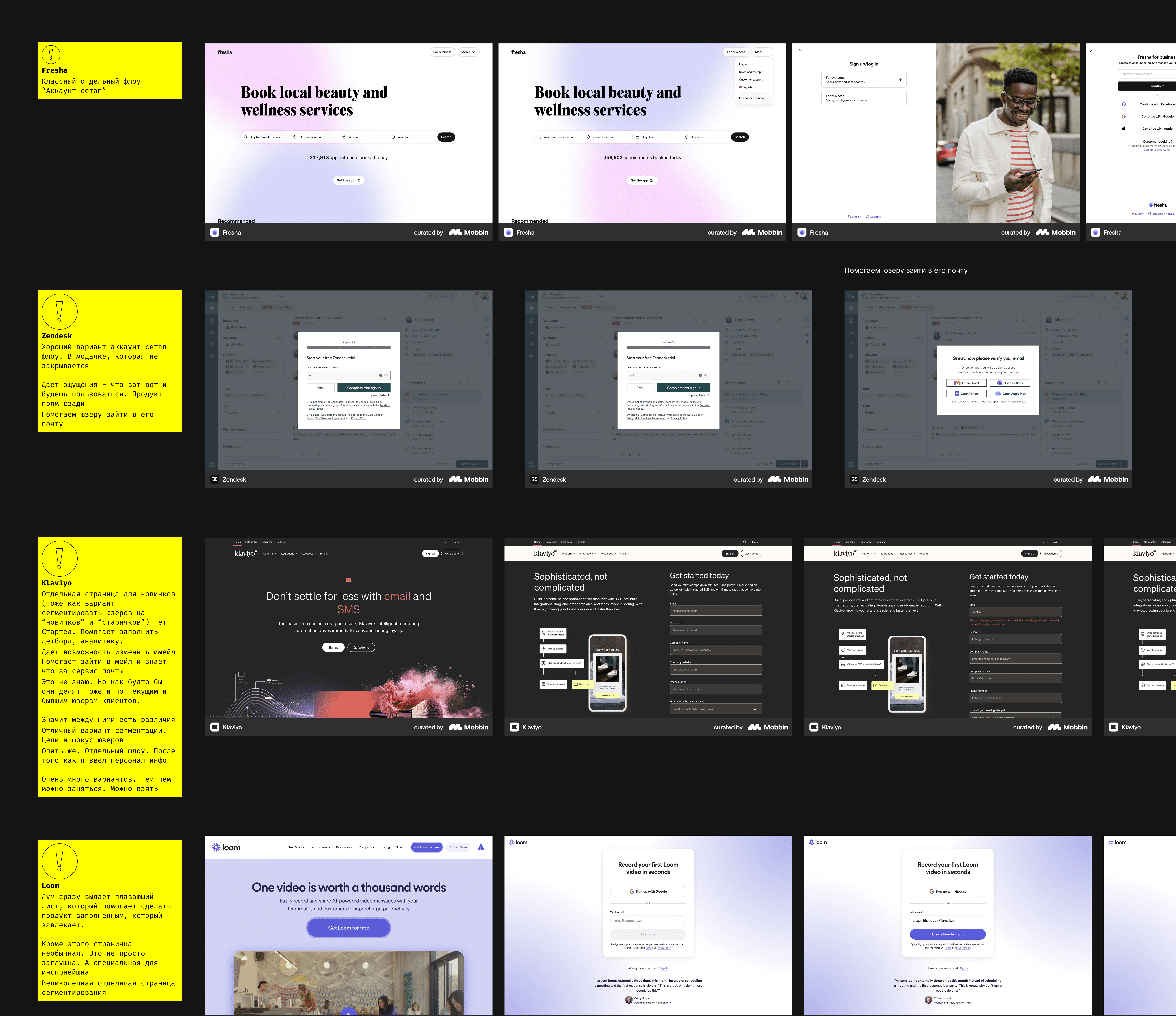
A clear pattern emerged: even when competitors had average products, their onboarding was carefully designed. It felt like a logical continuation of the landing page rather than a technical gate between marketing and product.
Key insights:
A dedicated account setup flow separated from core product access.
Non-blocking setup patterns that allowed users to explore the product while completing account configuration.
Quick access to popular email providers after verification, reducing friction and helping users complete activation faster.
A well-designed tutorial flow that introduced the product’s core value early and guided users toward activation and eventual conversion to paid plans.
Next, I interviewed users from our existing customer base who had recently gone through the flow. While not ideal research candidates, they interacted with the process regularly and provided relevant insight.
The interviews clarified the situation. Users were struggling with the flow. They encountered broken states, unclear transitions, technical errors, and dead ends without explanation. Some restarted the process multiple times. Others dropped off entirely.
I mapped the entire flow, documented drop-off points, categorized recurring issues, and combined behavioral data with qualitative insights. It became clear that the problem was not acquisition — it was activation.
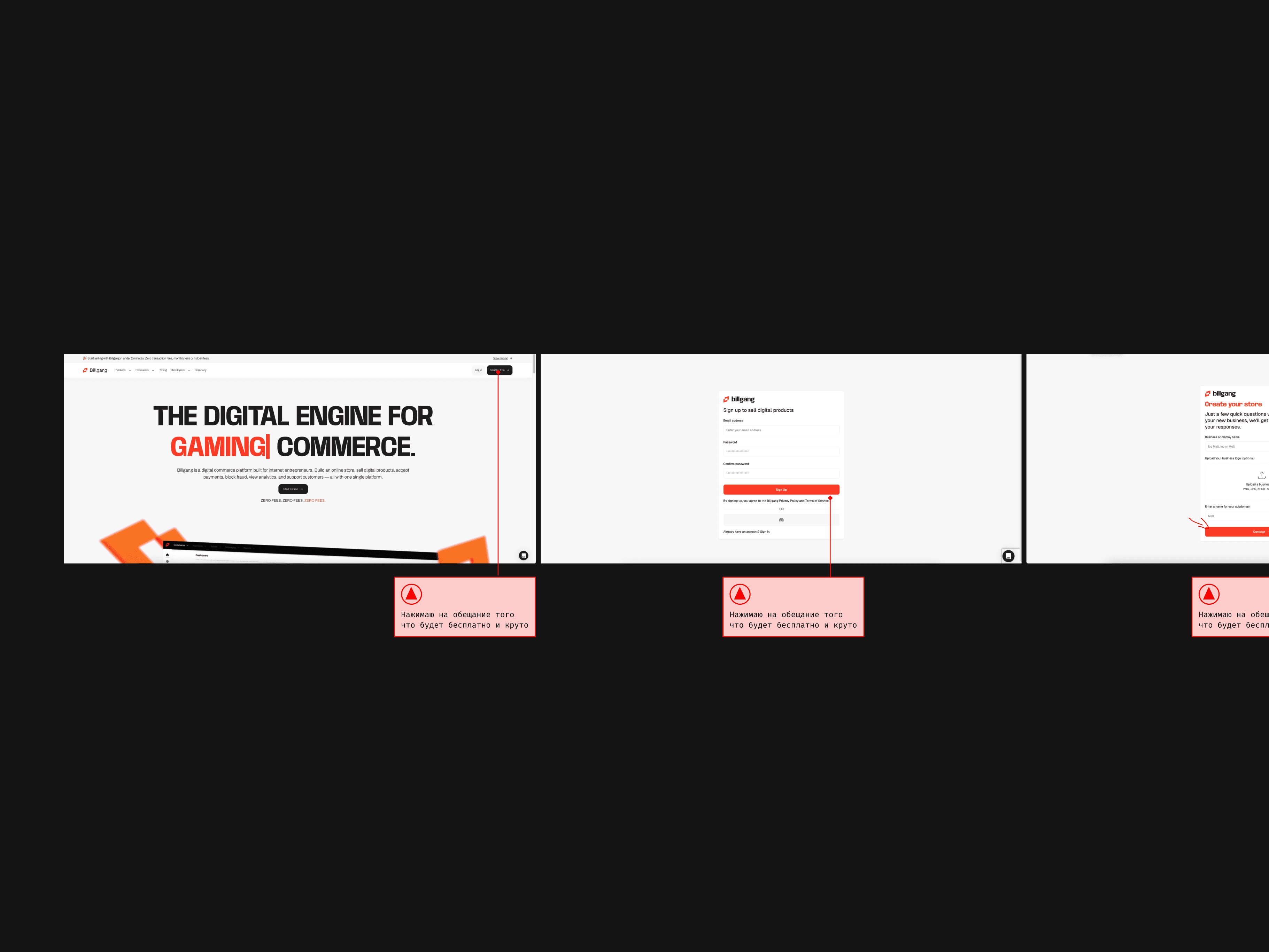
Problem areas:
Incomplete user scenarios leading to dead ends.
No clear way to navigate back in certain steps.
Fragmented and inconsistent registration flow.
Verification flow created additional friction and drop-offs.
The onboarding experience failed to communicate the product’s core value to new users.
Process & Decisions
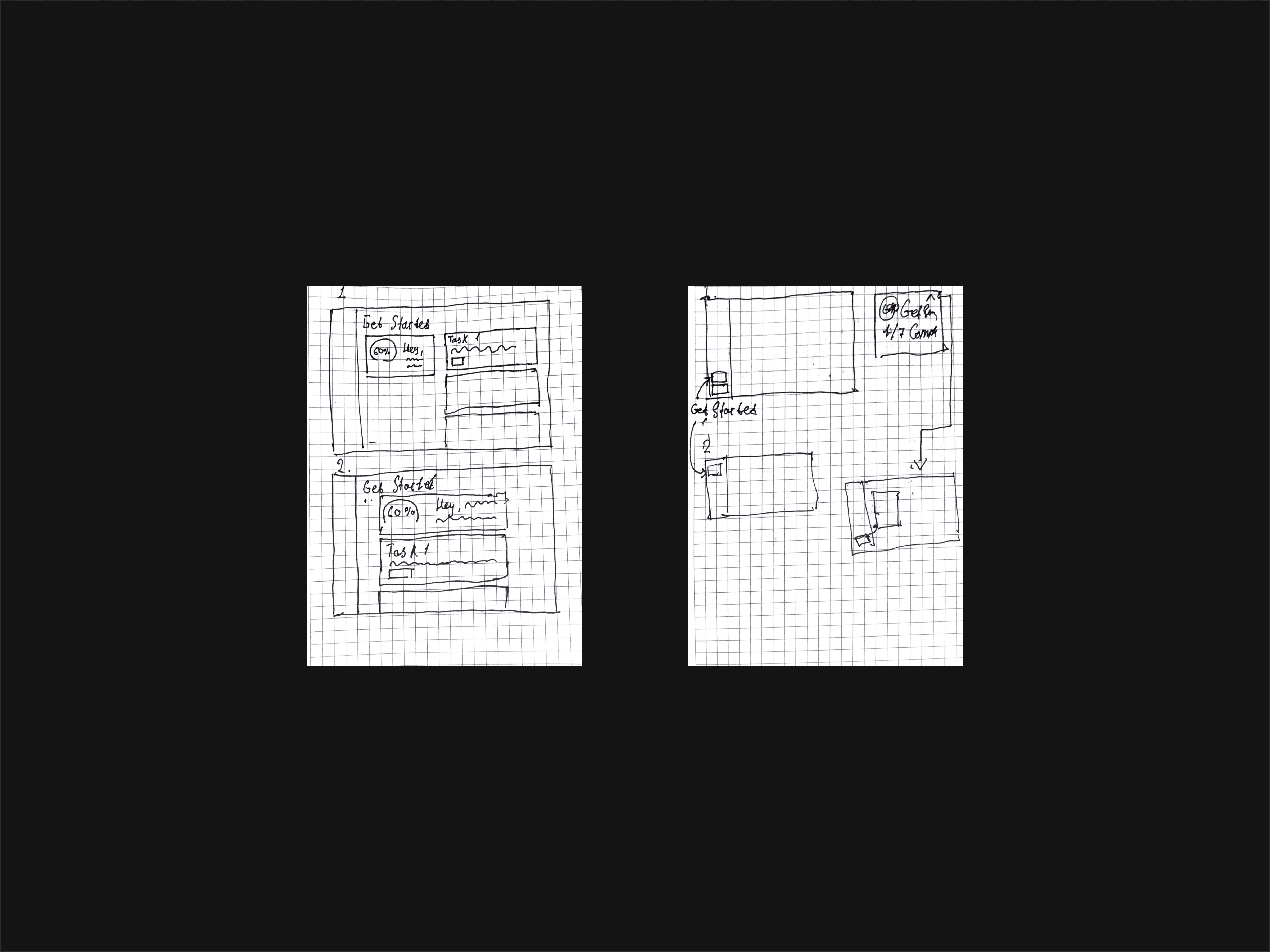
I developed several alternative onboarding scenarios and rebuilt the flow around one core principle: users must understand where they are, what is happening, and why each step exists.
From multiple options, we selected the version that was both efficient from a development standpoint and easier to complete from a user perspective. It required minimal backend changes and allowed us to move quickly into A/B testing.
I prepared wireframes, built an interactive prototype, aligned with product and engineering, and launched the experiment.
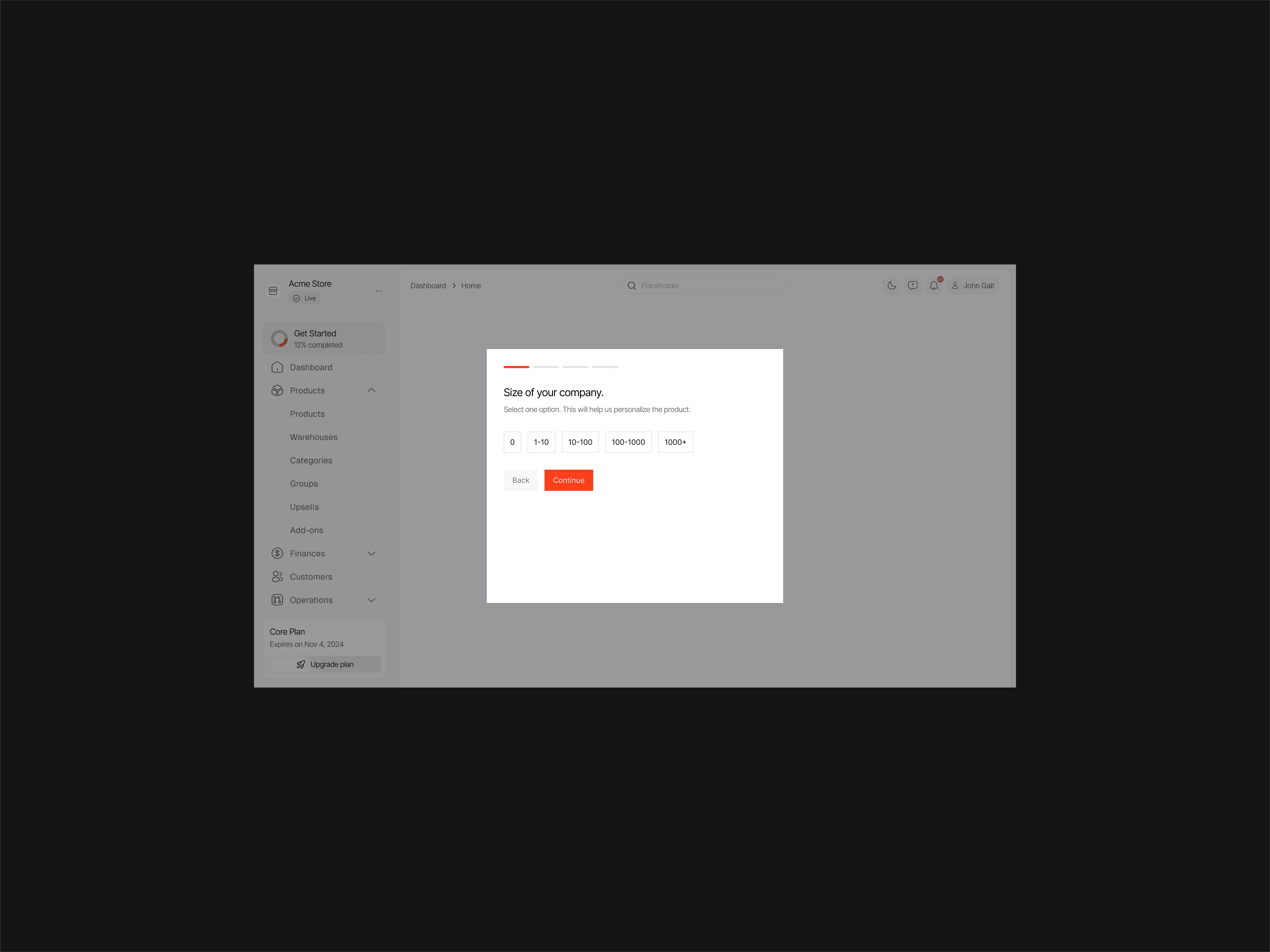
Solution
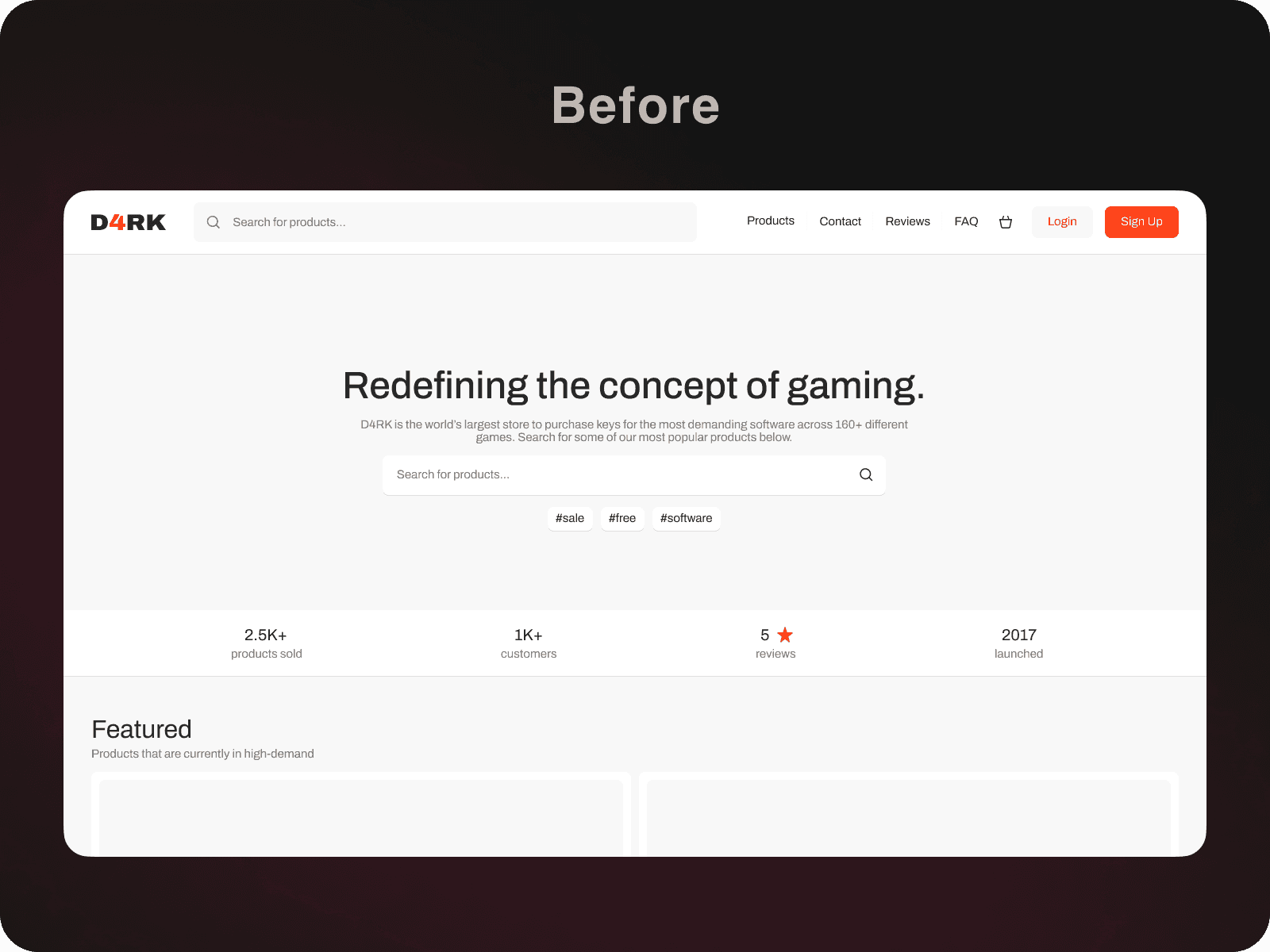
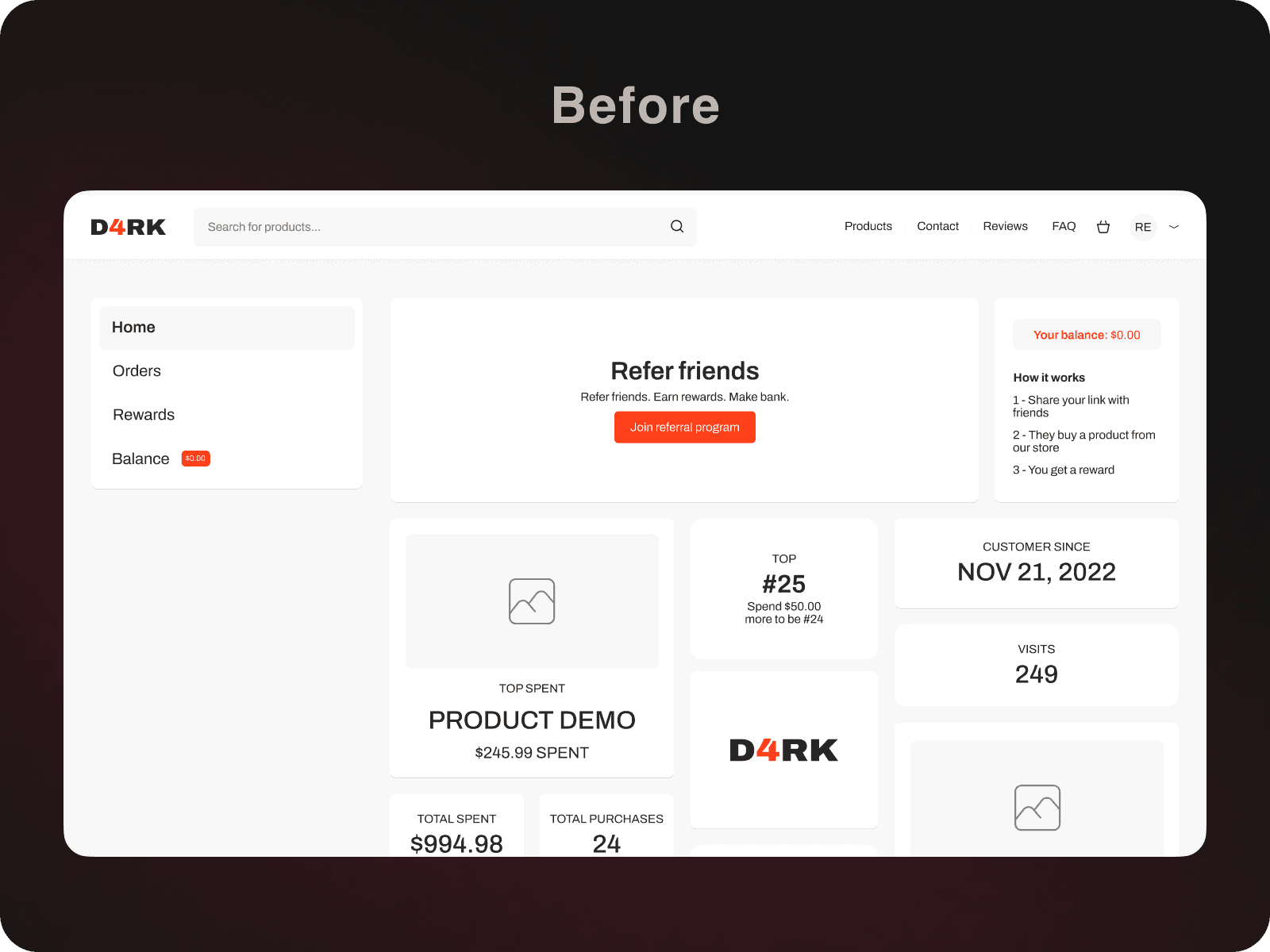
Before
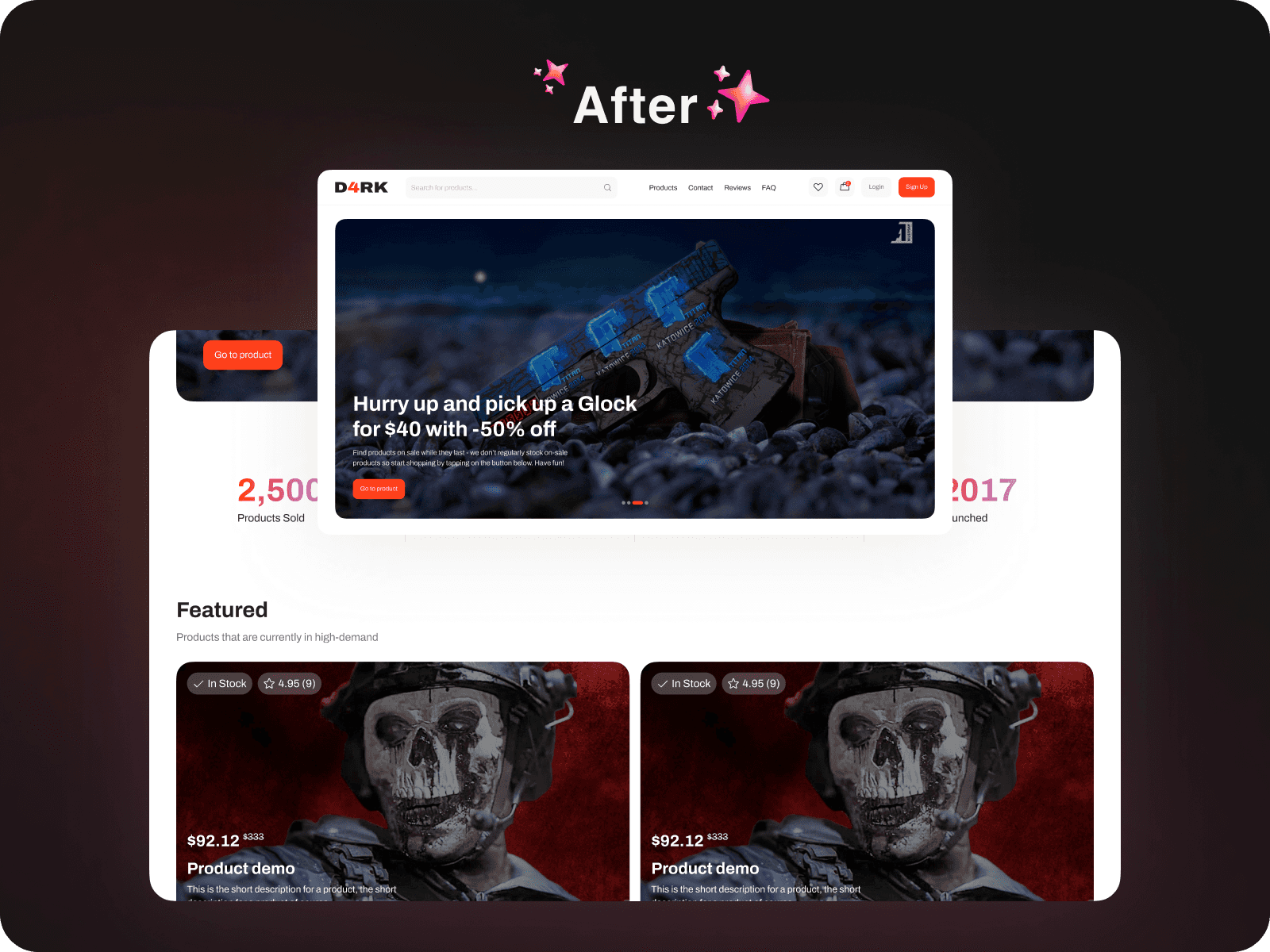
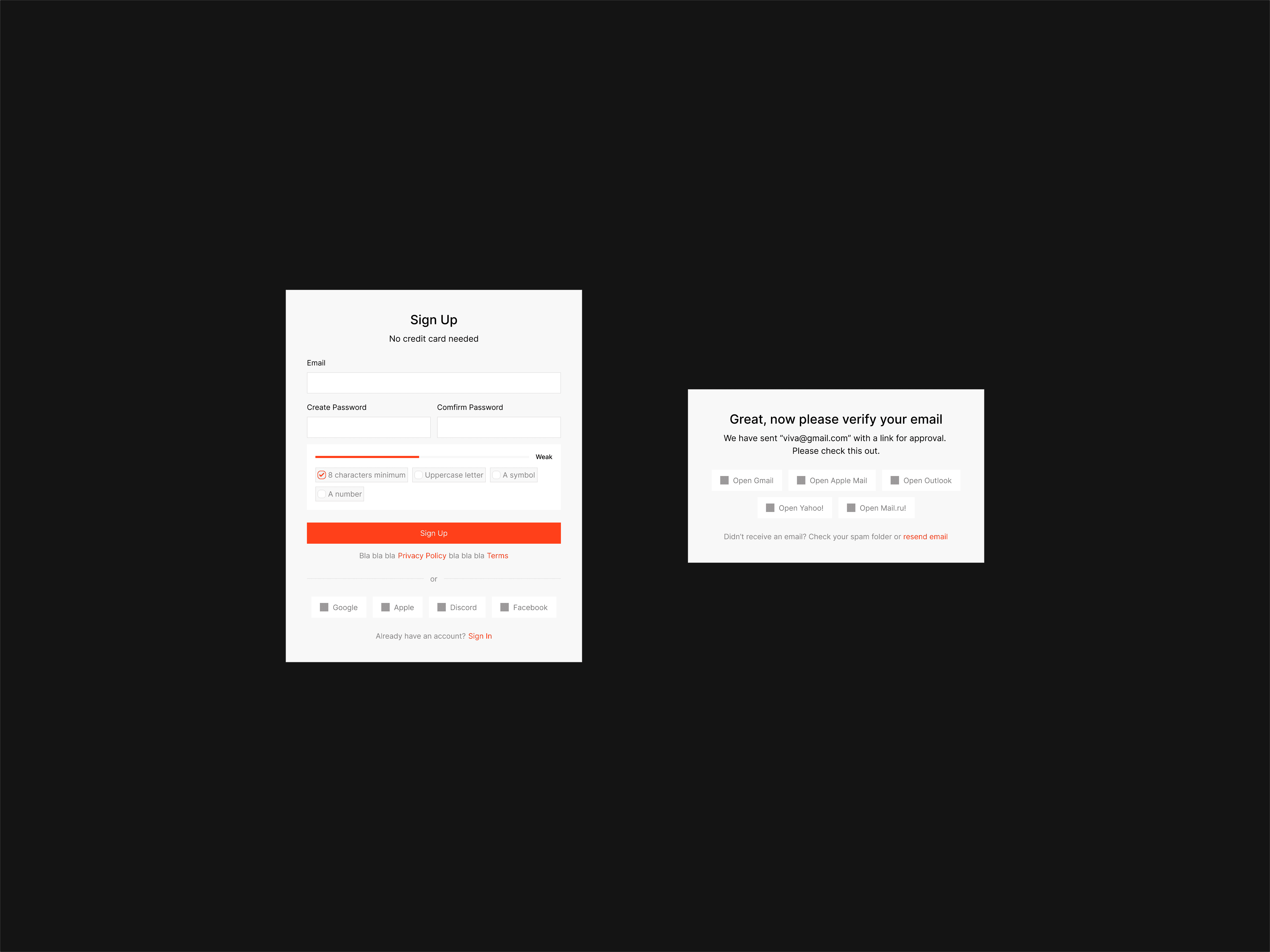
The final onboarding flow:
Eliminated dead ends across the activation journey.
Covered all core user cases and edge scenarios.
Created a smooth transition from landing page to product activation, removing uncertainty and friction.
Reprioritized and restructured verification and account setup to match user intent and flow logic.
Introduced guided tutorials to communicate core product value early and support activation.
The process became faster to complete, but more importantly, it became predictable. Users understood where they were in the journey and what would happen next:
Testing & Iteration
We launched a controlled 50/50 A/B test on approximately 10,000 sessions to validate the new onboarding flow. The variant showed a significant improvement, increasing registration completion by 68% compared to the baseline. The uplift remained stable over a two-week period and was consistent across primary traffic segments.
Activation rate also improved, with 41% more users reaching the first key product action after completing onboarding. This confirmed that the issue was not acquisition quality, but structural friction within the activation flow.
We conducted usability testing with 8 participants and identified several micro-frictions, including unclear labels and uncertainty during verification. After refining microcopy, restructuring step order, and introducing guided tutorials, onboarding completion time decreased by 24%.
Overall, the redesign removed critical funnel blockers, increased activation efficiency, and contributed directly to growth in paying users and overall product revenue.
Shots
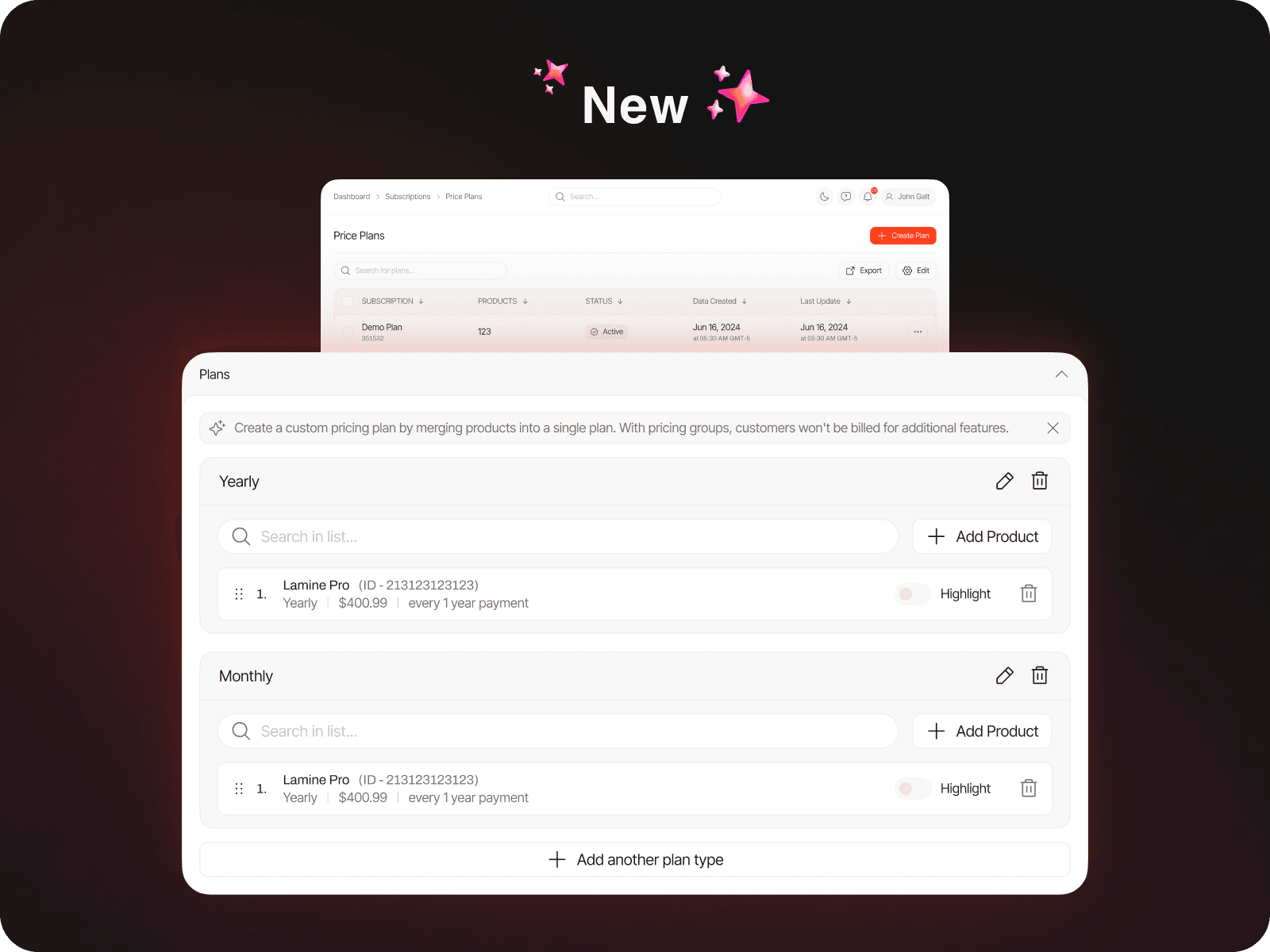
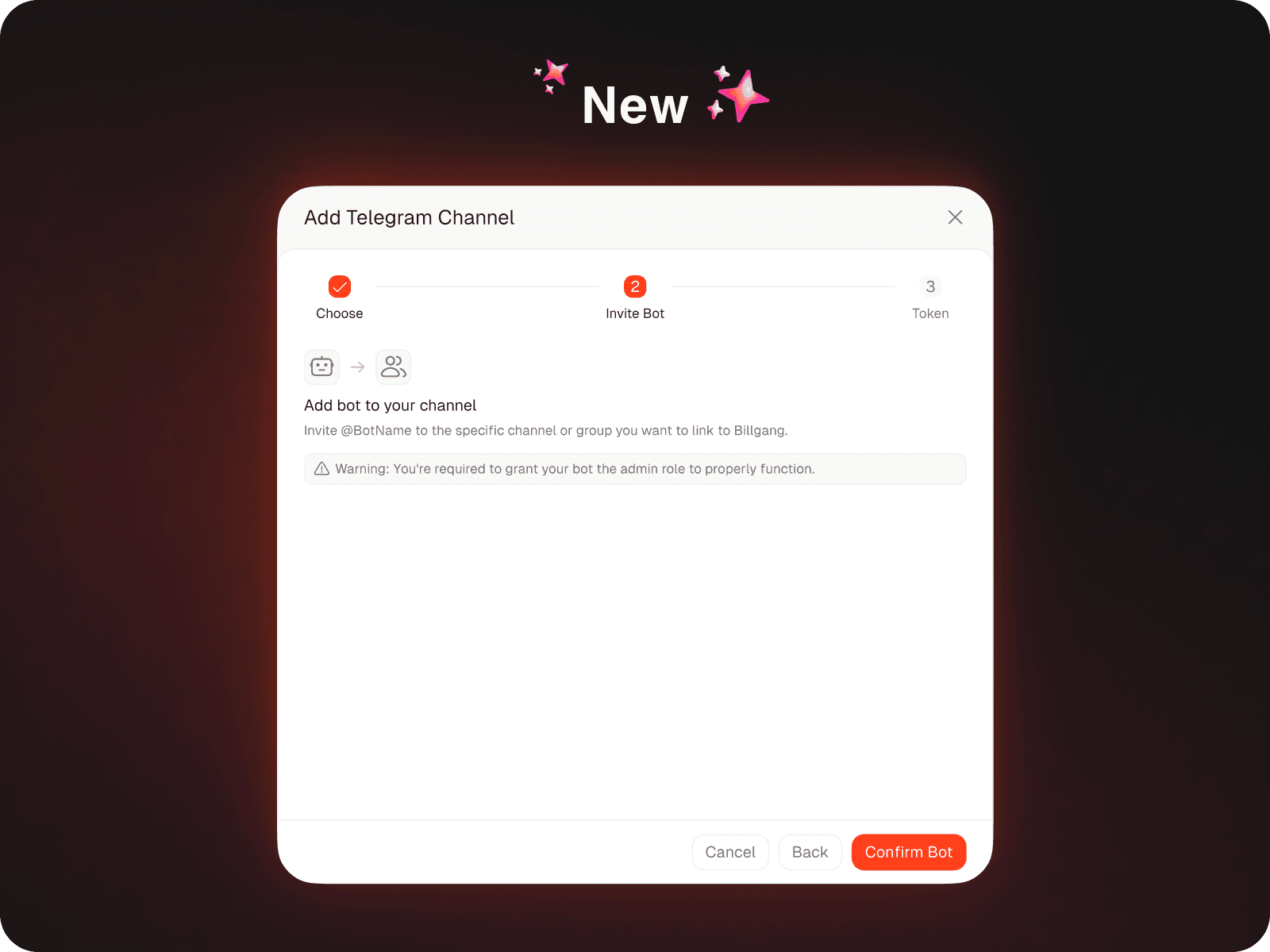
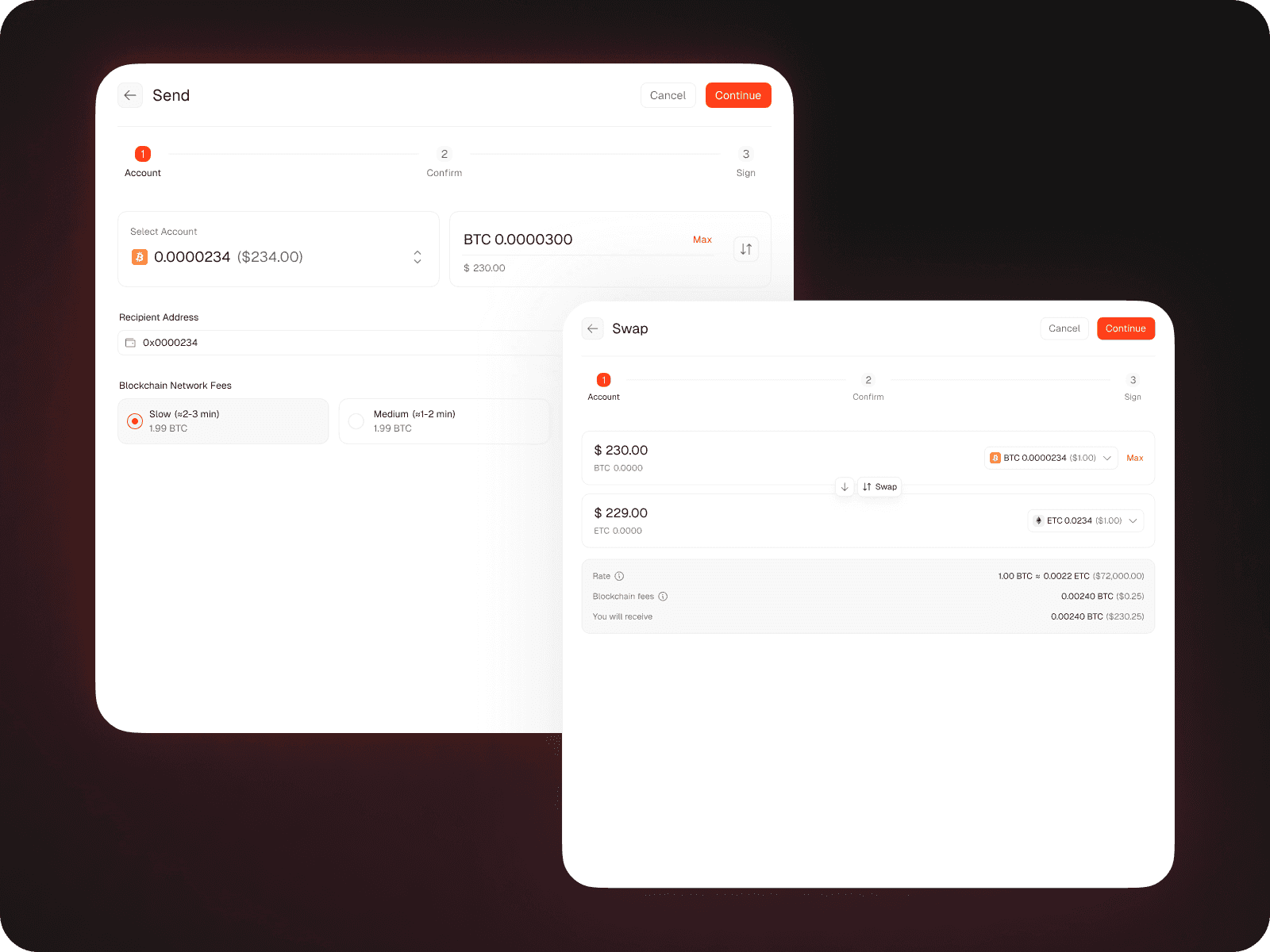
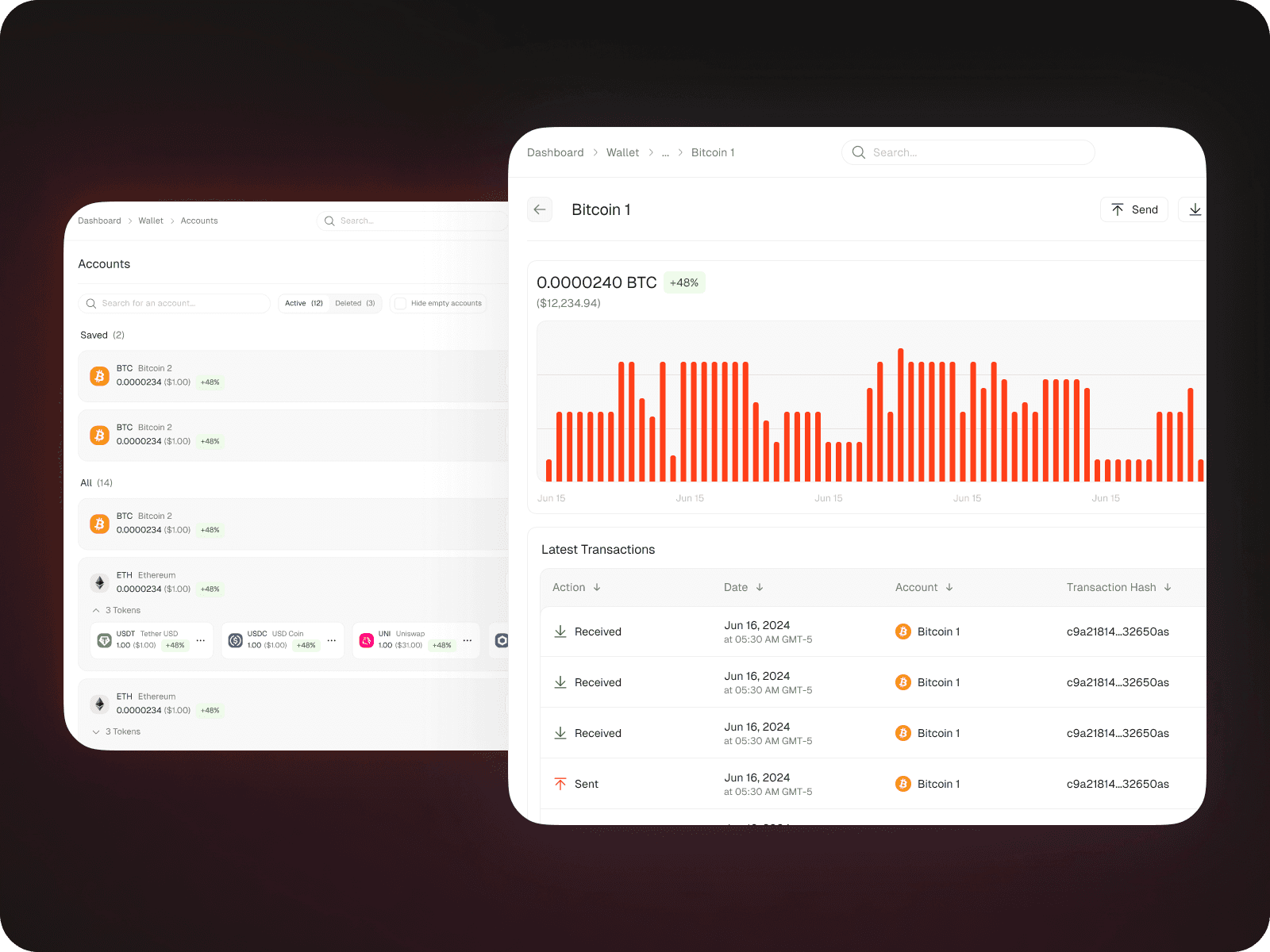
🎨 We took 3 principles of our style as a basis:
Purity - The user has as much information as he needs.
Simplicity - The user should feel the ease and obviousness of actions.
Freshness - Design should be timeless and not follow trends.